
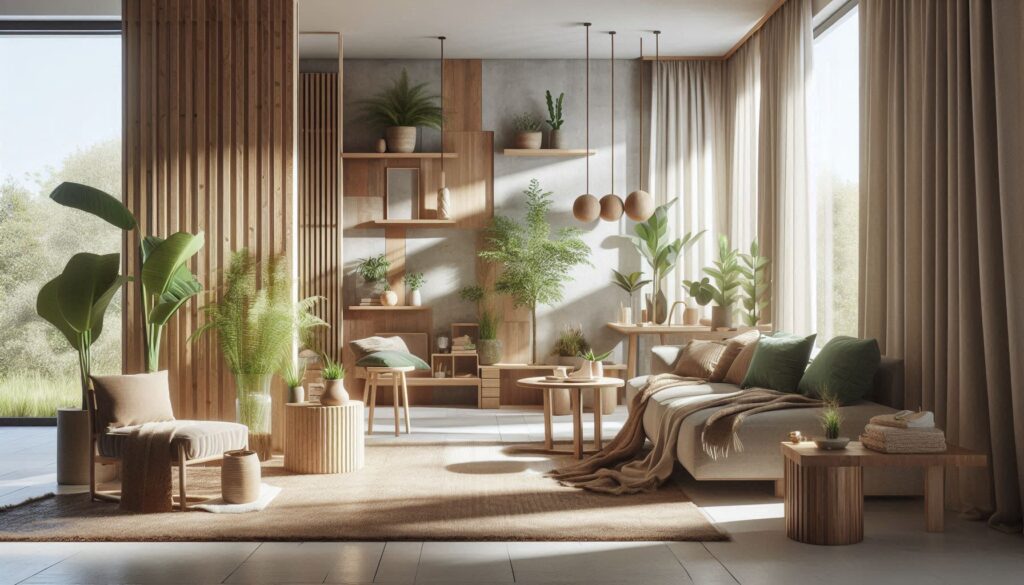
Creating a sustainable interior design for your home is not only beneficial for the planet but also contributes to a healthier and more harmonious living space. In this guide, we’ll explore ten actionable tips to help you transform your home into an eco-friendly haven.
Table of Contents
- Choose Sustainable interior design Materials
- Opt for Energy-Efficient Lighting
- Invest in Vintage or Upcycled Furniture
- Use Non-Toxic Paints and Finishes
- Incorporate Plants for Better Air Quality
- Embrace Natural Light
- Focus on Water Conservation
- Minimize Waste with Multipurpose Furniture
- Support Local Artisans and Businesses
- Implement Smart Home Technology
1. Choose Sustainable interior design Materials
Sustainable interior design materials are the cornerstone of eco-friendly Sustainable interior design. Opt for materials like bamboo, reclaimed wood, cork, and recycled metal. These materials not only reduce environmental impact but also add unique textures and warmth to your living space.
Why Choose Bamboo?
Bamboo grows rapidly, making it one of the most renewable resources available. It’s durable, versatile, and works beautifully in flooring, furniture, and even decor.
Pro Tip: Look for FSC-certified materials to ensure they are sustainably sourced. Learn more about FSC certification.
Additional Sustainable interior design Material Options:
- Cork: Harvested without harming trees, cork is an excellent choice for flooring and walls.
- Reclaimed Wood: Salvaged wood from old buildings or furniture is perfect for rustic and modern designs.
- Recycled Glass: This versatile material can be used in countertops, backsplashes, and decorative accents.
By incorporating these materials, you can create a space that is both stylish and environmentally friendly.
2. Opt for Energy-Efficient Lighting
Energy-efficient lighting reduces electricity consumption and lowers utility bills. LED bulbs are a great option, consuming up to 80% less energy than traditional bulbs.
Lighting Design Tips:
- Use dimmer switches for adjustable brightness.
- Incorporate task lighting to focus illumination where needed.
- Choose fixtures made from recycled or eco-friendly materials.
Advanced Lighting Options:
- Solar-Powered Lights: Ideal for outdoor spaces, these lights use renewable energy.
- Motion Sensors: Automatically turn lights on or off, saving energy.
- Smart Bulbs: Control brightness and color temperature using a smartphone app.
For more ideas, check out energy-saving lighting tips.
3. Invest in Vintage or Upcycled Furniture
Buying vintage or upcycled furniture reduces waste and gives a second life to high-quality items. This approach not only adds character to your home but also supports sustainable interior design practices.
Where to Shop:
- Local flea markets
- Thrift stores
- Online marketplaces like Etsy or Chairish
DIY Upcycling Projects:
- Transform an old ladder into a bookshelf.
- Refinish a vintage dresser with eco-friendly paint.
- Use reclaimed wood to build custom shelving.
Internal Tip: Check our guide on “How to Style Thrifted Finds” for creative inspiration.
4. Use Non-Toxic Paints and Finishes
Conventional paints can release harmful VOCs (volatile organic compounds) into your home’s air. Instead, choose non-toxic, low-VOC, or zero-VOC options.
Recommended Brands:
- ECOS Paints
- Benjamin Moore’s Natura line
- Sherwin-Williams Harmony
Eco-Friendly Finishes:
- Natural Oils: Linseed or tung oil for wood.
- Water-Based Sealants: Low in harmful chemicals.
- Milk Paint: A non-toxic option for furniture.
Pro Tip: Always ventilate your space well during and after painting.
5. Incorporate Plants for Better Air Quality
Plants not only beautify your home but also improve indoor air quality by filtering toxins and releasing oxygen.
Top Picks for Sustainable Interior Design Eco-Friendly Sustainable Interior Design Homes:
- Snake Plant
- Spider Plant
- Peace Lily
Creative Plant Display Ideas:
- Hang plants in macrame holders for a boho touch.
- Use vertical garden systems for small spaces.
- Incorporate edible plants like herbs in your kitchen.
6. Embrace Natural Light
Maximize natural light to reduce dependence on artificial lighting. Position mirrors strategically to reflect sunlight and brighten dark areas.
Design Tips:
- Use sheer curtains or blinds to diffuse sunlight.
- Opt for light-colored walls and ceilings to enhance brightness.
Long-Term Solutions:
- Install skylights to bring light into darker areas.
- Use glass doors to connect indoor and outdoor spaces.
Internal Tip: Explore our “Guide to Natural Lighting” for more insights.
7. Focus on Water Conservation
Water-saving fixtures and appliances can significantly reduce water consumption. Install low-flow faucets, showerheads, and dual-flush toilets.
Bonus Tip:
Consider a greywater system to recycle water for irrigation purposes. Explore greywater systems.
Smart Water Solutions:
- Leak Detectors: Prevent water waste by catching leaks early.
- Rainwater Harvesting: Collect and use rainwater for landscaping.
- Efficient Appliances: Choose Energy Star-rated dishwashers and washing machines.
8. Minimize Waste with Multipurpose Furniture
Furniture that serves multiple purposes reduces clutter and waste. Examples include sofa beds, storage ottomans, and extendable dining tables.
Benefits:
- Saves space
- Reduces the need for additional items
- Promotes a minimalist aesthetic
Innovative Ideas:
- Coffee tables with hidden storage compartments.
- Modular sofas that can be reconfigured.
- Foldable desks for compact spaces.
Pro Tip: Check our “Top Multipurpose Furniture Picks” for recommendations.
9. Support Local Artisans and Businesses
Choosing locally crafted items reduces the carbon footprint associated with shipping and supports your local economy.
Examples:
- Handwoven rugs
- Locally crafted pottery
- Custom-made furniture
Why Local Matters:
- Encourages sustainable production practices.
- Preserves traditional craftsmanship.
- Strengthens community connections.
Learn More: The Benefits of Buying Local.
10. Implement Smart Home Technology
Smart home devices like thermostats, lighting systems, and water monitors can optimize energy and water usage. Popular options include Nest Thermostat and Philips Hue smart lights.
Advantages:
- Reduces energy bills
- Increases convenience
- Enhances home security
Top Smart Gadgets:
- Smart Plugs: Control appliances remotely.
- Energy Monitors: Track and manage household energy use.
- Voice-Activated Assistants: Integrate with eco-friendly Sustainable interior design devices for seamless control.
For detailed insights, visit Energy Star’s Smart Home Guide.
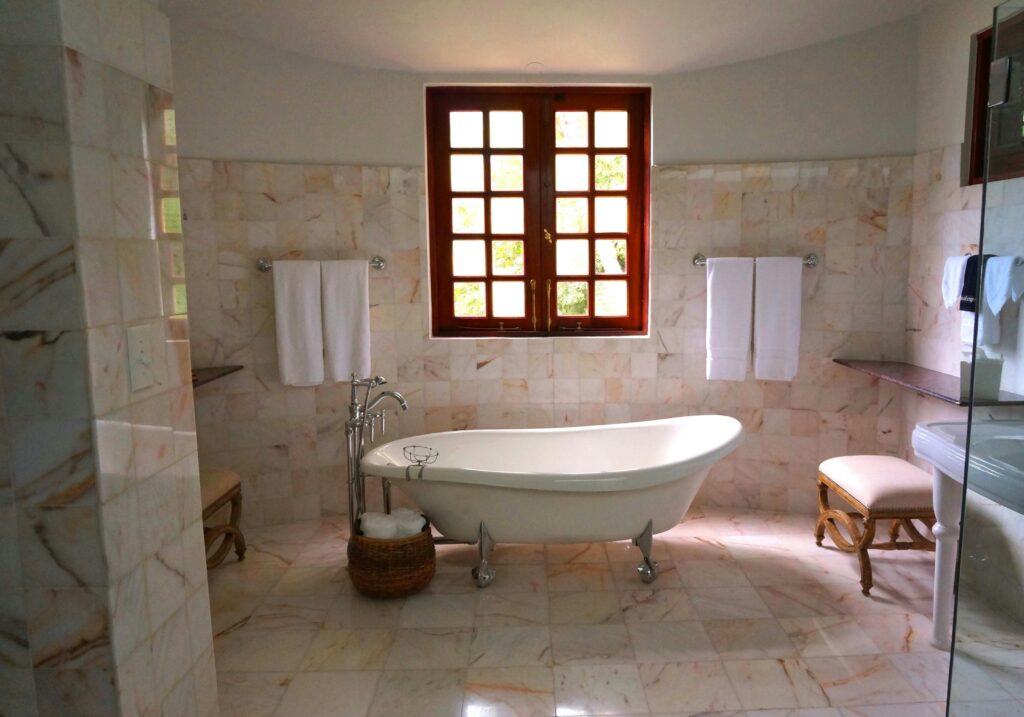
Why Choose Sustainable Interior Design?
Sustainable interior design focuses on reducing environmental impact while creating beautiful, functional spaces. Benefits include:
- Lower energy and water usage
- Reduced waste and pollution
- Improved indoor air quality
- Long-term cost savings
- A positive contribution to the environment
Key Principles of Sustainable Interior Design
Understanding the foundational principles of sustainable design helps guide your choices:
1. Use Renewable and Recycled Materials
Choose materials that are renewable, recycled, or repurposed. Options like bamboo, reclaimed wood, cork, and recycled metals not only reduce environmental impact but also offer unique textures and finishes.
Examples:
- Reclaimed Wood Flooring: Adds character and reduces the need for new lumber.
- Recycled Glass Countertops: Eye-catching and eco-friendly.
Discover more on sustainable materials here.
2. Focus on Energy Efficiency
Energy efficiency minimizes your home’s carbon footprint. Integrating LED lighting, smart home systems, and energy-efficient appliances contributes to a more sustainable lifestyle.
Tips:
- Use programmable thermostats to optimize heating and cooling.
- Position furniture to maximize natural airflow and minimize reliance on HVAC systems.
Sustainable Design Elements for Every Room
Living Room
The living room often serves as the heart of the home, making it an ideal starting point for sustainability.
Furniture:
- Opt for FSC-certified wood furniture to ensure responsible sourcing.
- Choose vintage or upcycled pieces to give new life to old items.
Decor:
- Use natural fibers like wool or cotton for rugs and throws.
- Display indoor plants to improve air quality and add greenery.
Learn about FSC certifications.
Kitchen
Kitchens are resource-intensive spaces, but simple design choices can make them greener.
Appliances:
- Install Energy Star-rated refrigerators, dishwashers, and ovens to save energy.
Surfaces:
- Use sustainable materials like butcher block counters made from reclaimed wood or recycled glass for backsplashes.
Water Conservation:
- Install low-flow faucets to reduce water usage.
Bedroom
Your bedroom should be a sanctuary of comfort and sustainability.
Bedding:
- Opt for organic cotton, bamboo, or hemp linens.
Furniture:
- Invest in a bed frame made from sustainable materials.
Lighting:
- Use dimmable LED lights for a relaxing, energy-efficient ambiance.
Bathroom
Bathrooms can easily be transformed into eco-friendly spaces.
Fixtures:
- Install low-flow showerheads and dual-flush toilets.
Materials:
- Choose recycled or reclaimed tiles for walls and flooring.
Air Quality:
- Add moisture-loving plants like ferns to naturally improve air quality.
Advanced Sustainable Design Practices
Biophilic Design
Biophilic design integrates natural elements to create a stronger connection between your home and nature. This approach enhances well-being while promoting sustainability.
Ideas:
- Use large windows to frame views of the outdoors.
- Incorporate natural materials like stone, wood, and greenery into your decor.
Passive Design Strategies
Passive design maximizes your home’s ability to heat and cool itself without relying on external energy sources.
Examples:
- Thermal Mass: Use materials like concrete or stone to absorb and retain heat.
- Orientation: Position windows to maximize sunlight in winter and shade in summer.
Explore passive design principles.
Choosing Sustainable Finishes
Finishes play a significant role in sustainable interior design. Opt for eco-friendly options to reduce toxicity and environmental impact.
Paints:
- Select low-VOC or zero-VOC paints to minimize harmful emissions.
Flooring:
- Consider bamboo, cork, or reclaimed wood for sustainable and durable flooring options.
Sealants:
- Use water-based sealants that are free from harmful chemicals.
The Role of Technology in Sustainable Interior Design
Smart home technology can enhance sustainability by optimizing energy and resource use.
Devices to Consider:
- Smart Thermostats: Automatically adjust temperatures for efficiency.
- Energy Monitors: Track and reduce electricity consumption.
- Smart Irrigation Systems: Conserve water in landscaping.
Supporting Local Artisans
Locally sourced decor and furniture minimize the carbon footprint associated with transportation. Supporting local artisans also promotes community and sustains traditional craftsmanship.
Ideas:
- Handwoven textiles
- Locally made ceramics
- Custom furniture from local carpenters
How to Minimize Waste
Reducing waste is a cornerstone of sustainable design. Focus on repurposing, recycling, and thoughtful purchasing.
Strategies:
- Donate or sell unwanted items instead of discarding them.
- Invest in durable furniture that stands the test of time.
- Choose modular designs that adapt to changing needs.
The Future of Sustainable Interior Design
As technology and awareness grow, sustainable design will continue to evolve. Emerging trends include:
- Circular Economy: Designing products and spaces for reuse and recycling.
- Net-Zero Homes: Homes that produce as much energy as they consume.
- Sustainable Urban Living: Compact, efficient designs for city dwellers.
Final Thoughts
Sustainable interior design is more than a trend; it’s a lifestyle choice that reflects a commitment to the environment. By integrating eco-friendly materials, energy-efficient systems, and thoughtful practices into your home, you can create a space that is as kind to the planet as it is to you.
Start small, be intentional, and enjoy the journey toward a greener, more sustainable living space. For more resources, check out our “10 Amazing Interior Designing Tips to Transform Your Space.”



Add comment