
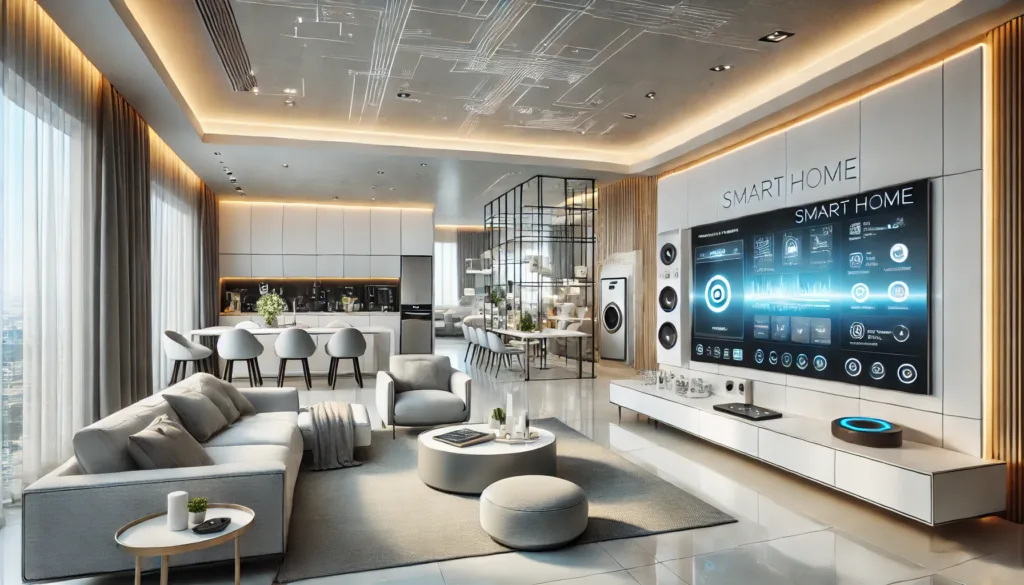
Smart Home Integration: The Future of Interior Design
As technology evolves, it’s becoming an integral part of every aspect of our lives. From smartphones to smart cars, technology has infiltrated our homes in the form of smart home systems. Smart home integration is no longer a futuristic concept but a current reality, influencing how we design and live in our spaces. For interior designers, this shift offers exciting opportunities to merge technology with aesthetics, functionality, and sustainability.
In this article, we will explore the world of smart home integration, its benefits, the latest trends, and how interior designers can incorporate these technologies seamlessly into their projects.
What is Smart Home Integration?
Smart home integration involves incorporating technology into the home to automate and control various systems, such as lighting, heating, security, and entertainment, via a centralized system or smart devices. It focuses on creating a connected environment where different devices communicate with each other to enhance convenience, energy efficiency, and lifestyle.
From voice-controlled assistants like Alexa and Google Home to advanced home automation systems like Crestron or Control4, smart homes cater to diverse needs. The challenge for interior designers is integrating these technologies without compromising on style or design intent.
Why is Smart Home Integration Important in Interior Design?
1. Enhanced Functionality
Smart home technologies improve the functionality of spaces by automating mundane tasks. Homeowners can control lighting, temperature, and entertainment systems with voice commands or through smartphone apps, adding convenience to their daily routines.
2. Energy Efficiency
Energy-efficient designs are a priority for modern homeowners. Smart thermostats, energy monitoring systems, and automated lighting help reduce energy consumption, making homes more sustainable. Designers can incorporate these systems to create eco-friendly spaces that align with client values.
3. Increased Property Value
Homes equipped with smart technology tend to have higher market value. For designers, integrating smart features can be a unique selling point, especially for clients looking to future-proof their properties.
4. Personalized Living Spaces
Smart home technology allows customization like never before. From setting mood lighting to creating personalized room temperatures, smart systems make it possible to tailor spaces to individual preferences. This level of personalization enhances the overall design experience.
Smart Home Integration Trends in Interior Design
1. Voice Control and Virtual Assistants
Voice-controlled devices such as Amazon Echo and Google Nest have become staples in smart homes. These devices can manage multiple systems, from lighting to entertainment, making them essential for smart home integration.
2. Smart Lighting
Smart lighting systems like Philips Hue and Lutron allow homeowners to adjust brightness, colors, and schedules using apps or voice commands. Designers can use smart lighting to highlight architectural features or set moods in different rooms.
3. Automated Climate Control
Smart thermostats like Nest and Ecobee learn user preferences and optimize energy consumption. Designers can incorporate these devices into HVAC systems to enhance comfort and energy efficiency.
4. Home Security Systems
Advanced security systems include smart locks, video doorbells, and motion sensors that integrate seamlessly into the home. These systems add a layer of safety while maintaining a sleek aesthetic.
5. Smart Kitchens
From refrigerators that create shopping lists to ovens that can be controlled remotely, smart kitchen appliances are revolutionizing cooking spaces. Designers can integrate these appliances into sleek cabinetry and layouts.
6. Multi-Room Audio and Entertainment
Whole-home audio systems, such as Sonos, allow for synchronized music playback in different rooms. Similarly, smart TVs and streaming devices create a seamless entertainment experience, which designers can embed into custom-built media units.
7. Smart Window Treatments
Motorized blinds and curtains, such as those offered by Somfy, allow homeowners to control natural light with the push of a button. These can be programmed to adjust throughout the day, enhancing both functionality and style.
8. Health and Wellness Tech
Smart home technologies now extend to wellness features, such as air purifiers, circadian lighting, and smart mattresses. Designers can incorporate these into homes to promote healthier living environments.
Steps to Seamless Smart Home Integration
1. Understand the Client’s Needs
Every client has different requirements and lifestyles. Some may prioritize entertainment, while others focus on energy efficiency or security. Discussing their preferences helps ensure the design meets their expectations.
2. Collaborate with Technology Experts
Interior designers should work closely with smart home specialists and integrators to ensure the technology is installed correctly and operates seamlessly. Collaboration ensures a balance between design and functionality.
3. Focus on Aesthetic Integration
One challenge of smart home integration is maintaining the aesthetic appeal of the space. Designers can use custom cabinetry, hidden panels, and sleek finishes to conceal technology without compromising accessibility.
4. Plan for Scalability
Smart home systems should be designed with future upgrades in mind. Wireless systems and modular components allow homeowners to expand their smart homes as new technologies emerge.
5. Prioritize User-Friendly Interfaces
A smart home is only effective if it’s easy to use. Designers should prioritize systems with intuitive interfaces and provide clients with guidance on using their smart devices effectively.
Incorporating Smart Home Features into Interior Design
1. Smart Lighting in Different Rooms
- Living Room: Use smart lighting to create layered illumination. Combine ambient, task, and accent lighting that can be adjusted for different moods or activities.
- Bedroom: Install circadian rhythm lighting that adjusts to mimic natural sunlight, promoting better sleep and waking cycles.
- Kitchen: Under-cabinet lighting and color-changing bulbs can enhance both functionality and aesthetics.
2. Integrated Entertainment Systems
Designers can conceal speakers, projectors, and televisions in walls or furniture, maintaining a clean and uncluttered look. Pop-up TV units and built-in sound systems are popular choices.
3. Smart Kitchens
Smart refrigerators, faucets, and ovens can be integrated into a cohesive kitchen design. For instance, touchless faucets and voice-activated assistants can enhance hygiene and convenience in the kitchen.
4. Energy-Efficient Climate Control
By integrating smart thermostats with HVAC systems, designers can optimize energy usage while maintaining comfort. Radiant flooring systems can also be automated for additional efficiency.
5. Modern Home Offices
With remote work becoming more common, home offices are a focal point in design. Smart desks, adjustable lighting, and integrated technology create productive and ergonomic spaces.
Challenges in Smart Home Integration
1. Balancing Technology and Aesthetics
Integrating technology without disrupting the design theme requires creativity and precision. Sleek designs and custom solutions can help balance the two.
2. Budget Constraints
Smart home systems can be expensive. Designers must work within client budgets to prioritize essential features and recommend cost-effective solutions.
3. Technical Issues
Smart home systems rely on strong Wi-Fi networks and compatible devices. Designers should collaborate with IT professionals to ensure a reliable setup.
4. Rapid Technological Advancements
Technology evolves quickly, and what’s cutting-edge today may become obsolete tomorrow. Designing for scalability and future upgrades can mitigate this challenge.
The Role of Sustainability in Smart Home Design
Sustainability is a growing concern in interior design, and smart homes play a significant role in promoting eco-friendly living. From energy-saving devices to water conservation systems, smart technology helps reduce the environmental footprint of homes.
Examples of Sustainable Smart Technologies:
- Solar-powered smart lighting.
- Automated irrigation systems for water-efficient landscaping.
- Smart plugs and switches to reduce energy waste.
By incorporating these technologies, designers can create homes that are not only smart but also environmentally responsible.
Future of Smart Home Integration
The future of smart homes lies in AI-driven systems, 5G connectivity, and enhanced interoperability between devices. For interior designers, this means staying updated on technological trends and learning how to incorporate them into design practices.
Upcoming Trends
Smart home integration is reshaping the interior design landscape, offering opportunities to create functional, beautiful, and future-ready spaces. For interior designers, understanding and incorporating smart technologies is no longer optional – it’s essential.
By embracing smart home integration, designers can deliver innovative solutions that enhance the lifestyle of their clients while staying at the forefront of design trends. Whether it’s through smart lighting, automated climate control, or integrated entertainment systems, the possibilities are endless in creating homes that blend technology with timeless design.
Follow for more : Click Here
Interior Design Tips : https://www.housebeautiful.com/home-remodeling/interior-designers/g864/decorating-secrets/




Add comment