
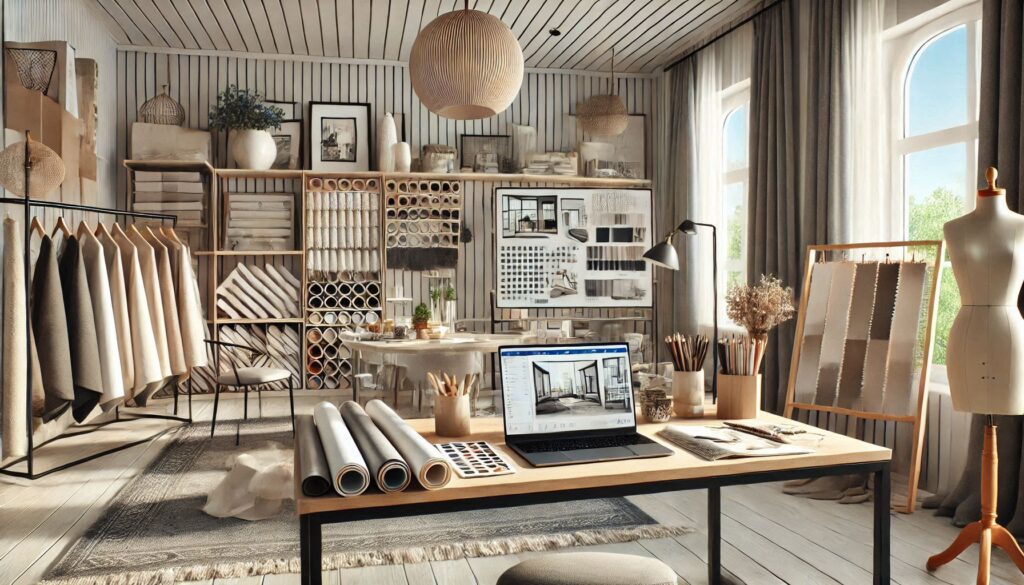
Interior design business ideas is more than just choosing the right paint color or rearranging furniture; it’s about creating spaces that inspire, function seamlessly, and resonate with the people who use them. With increasing awareness about the role of aesthetics and functionality in everyday life, this industry is thriving for interior design business ideas. If you’re looking to capitalize on this growing field, here are some innovative interior design business ideas to consider. Whether you’re a seasoned designer or an aspiring entrepreneur, these ideas can help you carve a niche in this competitive market.
1. Residential Interior Design Business Ideas
Most people want their homes to reflect their personalities while being comfortable and functional. Offering interior design business ideas residential interior design services allows you to work closely with homeowners to bring their vision to life.
Key Features:
- Customizing spaces for family living, entertaining, and relaxation.
- Specializing in styles like modern, minimalist, or vintage.
- Incorporating sustainable and eco-friendly design elements.
How to Stand Out:
- Offer virtual consultations for busy clients.
- Create packages for different budgets.
- Use 3D rendering tools to help clients visualize designs.
2. Commercial Interior Design Business Ideas
Businesses increasingly recognize the value of a well-designed space for boosting productivity and creating a strong brand identity. Commercial interior design business ideas focuses on offices, retail stores, restaurants, and other public spaces.
Key Features:
- Designing layouts that enhance workflow and customer experience.
- Reflecting brand values through design.
- Meeting industry-specific compliance and safety standards.
How to Stand Out:
- Specialize in niche sectors like hospitality or healthcare.
- Build partnerships with construction companies and architects.
- Showcase your portfolio through a professional website.
3. Home Staging Services
Home staging involves preparing properties for sale by making them look attractive to potential buyers. This service is in high demand, especially in competitive real estate markets.
Key Features:
- Transforming spaces to highlight their potential.
- Using rented furniture and decor to stage homes.
- Collaborating with real estate agents.
How to Stand Out:
- Offer quick turnaround times.
- Develop relationships with local realtors.
- Provide photography services for staged homes.
4. E-Design Services
E-design is an excellent option for clients who prefer a DIY approach but need professional guidance. This service typically involves providing design plans, shopping lists, and instructions remotely.
Key Features:
- Lower overhead costs as it’s conducted entirely online.
- Flexible packages for different design needs.
- Catering to clients worldwide.
How to Stand Out:
- Offer interactive tools for clients to test layouts and colors.
- Provide step-by-step implementation guides.
- Market your services on social media platforms.
5. Specialized Design Services
Focusing on a niche area of interior design business ideas can set you apart from the competition. For example:
- Kids’ Room Design: Create playful, safe, and functional spaces.
- Kitchen Design: Specialize in optimizing layouts, storage, and aesthetics.
- Sustainable Design: Use eco-friendly materials and energy-efficient solutions.
How to Stand Out:
- Showcase your expertise with before-and-after projects.
- Collaborate with suppliers of niche products.
- Stay updated on trends and innovations in your specialty.
6.Interior design business ideas Design Consulting
If you’re an experienced designer, consulting can be a lucrative option. This involves providing expert advice without handling the implementation.
Key Features:
- Advising on color schemes, materials, and layouts.
- Offering hourly or project-based rates.
- Serving both residential and commercial clients.
How to Stand Out:
- Write a blog or book to establish yourself as an authority.
- Conduct workshops or webinars.
- Build a strong network of industry professionals.
7. Furniture and Decor Retail
Selling furniture and home decor items can complement your interior design business ideas. You can either open a physical store or sell online.
Key Features:
- Offering curated collections aligned with your design philosophy.
- Selling custom or handmade items.
- Providing styling tips to customers.
How to Stand Out:
- Collaborate with local artisans for unique inventory.
- Use your store as a showroom for your design services.
- Offer exclusive deals to design clients.
8. Renovation and Remodeling Services
This service goes beyond design to include structural changes. Renovation projects often involve updating outdated spaces or repurposing them.
Key Features:
- Managing projects from concept to completion.
- Working with contractors and suppliers.
- Combining functionality with aesthetic appeal.
How to Stand Out:
- Offer bundled packages for design and construction.
- Focus on energy-efficient and sustainable remodeling.
- Provide detailed timelines and transparent pricing.
9. Interior Design Business ideas on Courses and Workshops
If you have extensive experience, why not share your knowledge? Teaching can be a rewarding way to diversify your income stream.
Key Features:
- Offering courses on design basics, trends, and tools.
- Conducting workshops for DIY enthusiasts.
- Providing certifications to aspiring designers.
How to Stand Out:
- Develop online courses to reach a broader audience.
- Partner with educational institutions.
- Keep content updated with industry trends.
10. Event Space and Temporary Setup Design interior design business ideas
Event spaces, such as weddings, conferences, and exhibitions, require temporary but impactful designs.
Key Features:
- Creating modular and reusable designs.
- Focusing on themes and branding.
- Collaborating with event planners.
How to Stand Out:
- Offer eco-friendly options for temporary setups.
- Provide complete event packages, including lighting and decor.
- Build a portfolio showcasing diverse events.
11. Design Blogging and Influencing
A blog or social media presence focused on interior design can be a platform for sharing ideas, attracting clients, and earning through sponsorships.
Key Features:
- Creating content on trends, DIY tips, and product reviews.
- Engaging with a community of design enthusiasts.
- Monetizing through ads, affiliate marketing, or collaborations.
How to Stand Out:
- Develop a unique voice or niche.
- Collaborate with brands for exclusive content.
- Use professional photography and video production.
12. Virtual Reality (VR) interior design business ideas
Using VR technology, you can offer clients an immersive experience, allowing them to “walk through” their future spaces.
Key Features:
- Providing realistic 3D renderings.
- Enabling interactive design revisions.
- Saving time and resources by visualizing changes before implementation.
How to Stand Out:
- Invest in cutting-edge VR software.
- Offer this service as part of premium design packages.
- Market it as a unique selling point.
13. interior design business ideas for Co-Working Spaces
Co-working spaces are on the rise, and they require designs that balance functionality, collaboration, and comfort.
Key Features:
- Creating flexible workspaces with communal and private areas.
- Incorporating tech-friendly designs.
- Emphasizing branding and user experience.
How to Stand Out:
- Partner with co-working space providers.
- Offer subscription-based design maintenance.
- Focus on sustainability and wellness.
14. interior design business ideas for Tiny Homes and Small Spaces
With the popularity of tiny homes and urban living, designing for small spaces is a growing niche.
Key Features:
- Maximizing functionality in limited areas.
- Using multi-purpose furniture and smart storage solutions.
- Balancing comfort with aesthetics.
How to Stand Out:
- Offer compact furniture designs.
- Collaborate with tiny home builders.
- Create video content showcasing transformations.
15. Corporate Wellness Design
Designing for wellness involves creating environments that promote health, relaxation, and productivity. This is particularly relevant in workplaces, spas, and gyms.
Key Features:
- Incorporating biophilic design elements.
- Using ergonomic furniture and lighting.
- Creating spaces for mindfulness and relaxation.
How to Stand Out:
- Align designs with wellness certifications like WELL or LEED.
- Highlight case studies showing the impact of wellness design.
- Partner with wellness-focused brands.
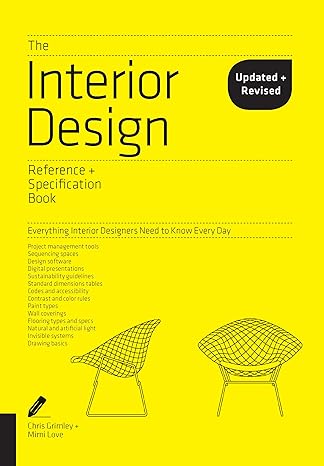
Tips for Starting an Interior Design Business ideas
- Build a Strong Portfolio: Showcase your skills and versatility through a mix of real and conceptual projects.
- Network Actively: Join industry associations, attend trade shows, and collaborate with complementary businesses.
- Stay Updated on Trends: Keep learning about new materials, technologies, and consumer preferences.
- Use Digital Tools: Leverage software like SketchUp, AutoCAD, or Canva for design and marketing.
- Prioritize Client Experience: Listen to your clients, set realistic expectations, and communicate effectively.
Conclusion
The interior design industry offers numerous opportunities for interior design business ideas & creative entrepreneurs. By identifying a niche, leveraging technology, and focusing on client satisfaction, you can build a successful business that not only thrives but also transforms lives and spaces. Choose a path that aligns with your passion and expertise, and watch your dream interior design business ideas flourish.
Budget and Training for Starting an Interior Design Business
Starting an interior design business ideas can be an exciting venture, combining creativity with entrepreneurship. However, like any business, it requires careful planning, especially in terms of budget and training. For both Indian and international audiences, this guide will break down the financial and skill development aspects of launching a successful interior design business.
Understanding the Financial Requirements
Before diving into the interior design business ideas , it is essential to understand the different costs involved. Budgeting wisely can set the foundation for a sustainable and profitable business.
1. Initial Investment
The initial investment varies depending on the scale of your business and the services you wish to offer. Here’s a breakdown of common expenses:
- Office Space:
- India: Renting a small office in a city like Mumbai or Delhi may cost INR 10,000 to 50,000 per month, depending on the location.
- Abroad: Office rentals in cities like New York or London could range from $500 to $2,000 per month.
- For startups, working from home or co-working spaces is a cost-effective option.
- Design Tools and Software: Investing in professional tools is non-negotiable. Software like AutoCAD, SketchUp, and Photoshop can cost anywhere between INR 20,000 to 1,00,000 annually ($250 to $1,200).
- Portfolio Development: Creating a compelling portfolio to showcase your work can cost INR 15,000 to 50,000 ($200 to $700), including photography and graphic design expenses.
- Furniture and Equipment: Setting up your workspace requires furniture, computers, and other essentials. Budget around INR 1,00,000 ($1,500) for a small setup.
2. Ongoing Costs
Once your business is operational, you’ll encounter recurring expenses, including:
- Marketing:
- Digital marketing, including social media ads and SEO, can cost INR 5,000 to 20,000 ($100 to $300) per month.
- Networking events and design expos may involve additional costs.
- Employee Salaries: If you hire a small team, salaries for junior designers and assistants may range from INR 15,000 to 50,000 per employee in India ($500 to $2,000 abroad).
- Supplies and Decor: Regular purchases of sample materials, decor items, and stationery are necessary. Allocate INR 10,000 to 30,000 ($150 to $500) monthly.
3. Emergency Fund
Always keep a reserve of at least 10-20% of your total investment as an emergency fund. This cushion can help you handle unexpected expenses such as client delays or equipment failures.
Training and Skill Development
Interior design is a dynamic field that demands technical expertise and creative skills. For beginners and experienced designers alike, continuous training is crucial.
1. Formal Education
- India:
- Pursue a degree or diploma from institutions like the National Institute of Design (NID) or Pearl Academy.
- Costs range from INR 1,00,000 to 5,00,000 for a full course.
- Abroad:
- Consider renowned institutions like Parsons School of Design (USA) or Royal College of Art (UK).
- Tuition fees can be significantly higher, ranging from $10,000 to $30,000 per year.
2. Certification Programs
For those who cannot commit to full-time education, short-term certifications are an excellent alternative:
- India: Look for online platforms like Coursera, Udemy, or local institutes offering specialized courses in:
- Color theory
- Space planning
- Sustainable design
- Certification costs: INR 5,000 to 20,000 ($50 to $300).
- Global Options: Platforms like LinkedIn Learning and Skillshare offer flexible, budget-friendly courses.
3. Hands-On Training
Practical experience is invaluable in interior design business ideas . Gain exposure by:
- Internships: Work with established design firms to learn industry practices.
- Workshops: Attend design workshops to enhance your skills in:
- 3D modeling
- Furniture design
- Lighting techniques
- Mentorship: Seek guidance from experienced professionals in your network.
4. Keeping Up with Trends
The interior design industry evolves rapidly. Stay relevant by:
- Following blogs, magazines, and social media accounts of top designers.
- Participating in global events like Salone del Mobile (Italy) or India Design ID.
- Enrolling in annual courses or attending webinars.
Budget-Friendly Training Tips for Indian Entrepreneurs
For those starting out in India, there are several cost-effective ways to train:
- Government Initiatives: Programs like Skill India often offer affordable or free vocational training.
- Local Institutes: Many smaller institutes provide quality training at a fraction of the cost of bigger names.
- Self-Learning: With resources like YouTube tutorials, eBooks, and free design templates, you can build foundational knowledge without spending a fortune.
Balancing Budget and Training
Striking a balance between your budget and training needs is crucial. Here’s how:
1. Start Small
Begin with affordable tools and upgrade as your business grows. For instance:
- Opt for free or budget-friendly software like Canva or RoomSketcher instead of high-end tools initially.
- Work from home or share an office space to save on rental costs.
2. Prioritize Core Skills
Focus on acquiring essential skills first. For example:
- Learn basic software operations before delving into advanced techniques.
- Master color schemes and layouts before exploring niche styles.
3. Leverage Online Resources
Online platforms often provide high-quality training at lower costs. Some even offer free trials or scholarships.
4. Collaborate and Learn
Partner with professionals from other fields, such as architects or contractors. Collaboration can enhance your skills and reduce costs through shared resources.
Case Study: Building an Interior Design Business on a Budget
Background
Shreya, a young entrepreneur from Bangalore, launched her interior design business ideas with a modest budget of INR 2,50,000 ($3,000). She focused on:
- Training through affordable online courses.
- Building a portfolio using free design software.
- Networking at local events to gain initial clients.
Results
Within two years, Shreya expanded her business, offering both residential and commercial design services. By balancing her budget and training investments, she achieved:
- A 200% increase in clientele.
- Recognition in local design magazines.
- The ability to hire a team and upgrade her tools.
Starting an interior design business ideas requires a strategic approach to budgeting and training. By planning your finances carefully and investing in continuous learning, you can build a strong foundation for your business. Whether you’re based in India or abroad, opportunities abound for those willing to adapt and innovate.
Remember, the journey is as creative as the designs you’ll create. With the right mindset and resources, your interior design business can flourish in a competitive market. Start small, dream big, and let your passion for design guide your success.
Exploring these interior design business ideas can help you find your niche in a competitive and growing industry. Whether you’re a seasoned designer or a newcomer, opportunities abound for creativity and profitability. Start with an idea that resonates with your strengths, adapt it to your market, and let your passion for design guide your success.
Follow for more : Click Here
The interior design industry is a dynamic and ever-evolving sector for interior design business ideas that blends creativity, functionality, and innovation to transform spaces. It encompasses a wide range of services, including residential, commercial, and industrial design, as well as specialized niches like sustainable design, space optimization, and luxury interiors. With an estimated global market value of over $150 billion, the industry is driven by changing consumer preferences, technological advancements, and a growing emphasis on aesthetic and practical living environments.
Professionals in the field must have a keen understanding of materials, color theory, spatial planning, and design trends, as well as technical knowledge of software like AutoCAD, SketchUp, and 3D rendering tools. Collaboration with architects, contractors, and suppliers is also essential to bring concepts to life.
Sustainability and wellness have become central themes in recent years, with eco-friendly designs, biophilic elements, and ergonomic solutions gaining popularity. Additionally, the rise of e-commerce and virtual consultations has made interior design business ideas services more accessible to a broader audience.
As lifestyles and work environments continue to evolve, the interior design industry presents exciting opportunities for innovation. Whether through smart homes, minimalist designs, or immersive retail spaces, the industry remains a vital contributor to improving how people live, work, and interact.



Add comment