
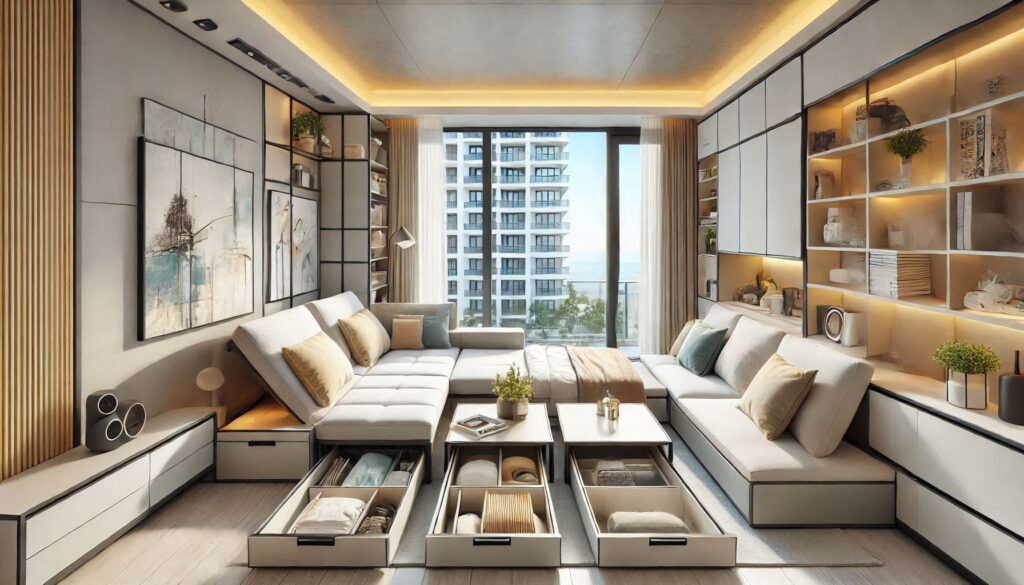
Interior design isn’t just about making a space look beautiful—it’s about improving how you feel and function in your environment. From boosting productivity to creating a sense of relaxation, thoughtful design can significantly enhance your quality of life.
Why Interior Design Matters
Interior design is the process of shaping indoor spaces to be not only functional but also aesthetically pleasing. It incorporates layout planning, color psychology, furniture selection, and lighting optimization to create an environment that aligns with your needs and lifestyle.
For additional ideas, explore Small Space Solutions for innovative ways to optimize your area. (DoFollow Link)
Simple Steps to Transform Your Space
1. Define Your Purpose
Every space serves a purpose. A living room may be for relaxation, while a kitchen is for productivity. Start by asking yourself:
- How do I want to feel in this space?
- What activities will I perform here?
Knowing the purpose will guide your design choices.
2. Declutter and Organize
Clutter disrupts harmony. Invest in smart storage solutions like floating shelves, multifunctional furniture, or built-in cabinets to keep your space tidy and open.
3. Incorporate Natural Elements
Bringing nature indoors can boost mood and air quality. Add houseplants like snake plants or peace lilies, use wooden furniture, or let in plenty of natural light.
4. Play with Textures and Patterns
Add depth to your interiors by mixing textures and patterns:
- Combine smooth and rough finishes (e.g., velvet cushions on a wooden chair).
- Use patterned rugs, wallpaper, or throw pillows to add character.
5. Personalize with Decor
Your space should reflect who you are. Incorporate family photos, artwork, or collectibles that resonate with your personality.
Interior Design Trends for 2024
- Biophilic Design: A focus on connecting with nature through greenery and natural materials.
- Sustainable Materials: Use eco-friendly options like bamboo, recycled wood, and organic fabrics.
- Bold Accents: Statement pieces like brightly colored chairs or oversized art can be focal points.
- Smart Technology Integration: Automated blinds, smart lighting, and voice-controlled devices blend convenience with style.
Resources for Interior Design Inspiration
Explore these platforms for creative ideas:
- Pinterest: Discover thousands of mood boards for every style.
- Houzz: Get expert advice and shop curated products.
- IKEA’s Room Planner: Experiment with layouts and designs online.
Takeaway
Interior design is not just about looks; it’s about creating spaces that improve your day-to-day life. By combining functionality with your unique style, you can transform any room into a haven that truly feels like home.
Looking for Professional Help?
If you’re unsure where to start, consult an experienced interior designer who can turn your vision into reality. For DIY enthusiasts, start small, experiment, and let your creativity flow.
The Power of Interior Design in Shaping Your Environment
Interior design is about much more than aesthetics—it’s a transformative process that impacts how we live, work, and interact with our surroundings. A well-designed space can foster creativity, relaxation, and productivity while reflecting personal tastes and preferences. Whether you’re designing a home, office, or commercial space, the possibilities are endless when you embrace the principles of interior design.
Deep Dive into Interior Design Principles
1. Functionality First
One of the most critical elements of interior design is functionality. A space must not only look good but also serve its intended purpose effectively. This is particularly true in smaller spaces where multi-functional furniture, like sofa beds or foldable tables, can maximize utility.
Key Functional Tips:
- Prioritize ease of movement by maintaining clear pathways.
- Incorporate furniture that serves dual purposes, such as storage ottomans or Murphy beds.
- Ensure the room’s layout suits its primary function. For example, in a living room, seating should face the TV or fireplace to encourage interaction and comfort.
2. The Psychology of Colors
Colors have a profound psychological impact, influencing emotions and behaviors. For instance:
- Warm tones (red, orange, yellow): Energizing and attention-grabbing, ideal for dining or entertainment spaces.
- Cool tones (blue, green, purple): Calming and serene, perfect for bedrooms or meditation areas.
- Neutral tones (white, beige, grey): Versatile and timeless, creating a blank canvas for accent pieces.
Experiment with bold colors in smaller doses through pillows, artwork, or rugs to add vibrancy without overwhelming the space.
3. Lighting That Elevates
Lighting is a powerful design tool that can drastically alter the perception of a space. The key is to layer your lighting:
- Ambient lighting: Provides overall illumination, such as ceiling fixtures or chandeliers.
- Task lighting: Focused light for specific tasks like reading or cooking, achieved through table lamps or under-cabinet lights.
- Accent lighting: Highlights focal points, such as artwork or architectural features, using spotlights or LED strips.
Dimmers are another great addition, allowing you to adjust the light intensity based on your mood and activity.
4. Texture: The Unsung Hero
Texture adds depth and richness to your interiors. Combining contrasting textures creates a sense of balance and intrigue. For instance:
- Pair a sleek leather sofa with a chunky knit throw.
- Use a glossy marble countertop alongside matte wooden cabinets.
Texture isn’t limited to fabrics—it includes walls, flooring, and furniture finishes. Wallpaper with a subtle pattern or a distressed wood floor can elevate the entire look of a room.
5. The Rule of Three in Design
The rule of three is a timeless interior design principle. It suggests that elements grouped in threes create a more visually appealing and harmonious composition.
- Use three different heights for decorative objects on a shelf.
- Combine three complementary colors in your decor.
Odd numbers in general tend to feel more dynamic and balanced.
Designing for Specific Spaces
Living Room: The Heart of Your Home
The living room is often the centerpiece of a home, where people gather to relax and entertain.
- Furniture Placement: Arrange seating to encourage conversation, such as placing sofas and chairs in a U-shape or semi-circle.
- Focal Points: Highlight a single feature, such as a fireplace or a large window, and design the room around it.
- Decor Tips: Use area rugs to define zones, especially in open-plan layouts.
Bedroom: Your Sanctuary
A bedroom should be a retreat from the world, offering tranquility and comfort.
- Color Palette: Opt for soothing tones like soft blues or muted greens.
- Bed Placement: Position the bed against a solid wall, ideally away from direct light.
- Storage Solutions: Incorporate under-bed storage, built-in wardrobes, or floating shelves for a clutter-free environment.
Kitchen: The Functional Hub
Modern kitchens are multi-functional spaces where style meets practicality.
- Workflow Optimization: Follow the work triangle principle, ensuring the stove, sink, and refrigerator are efficiently placed.
- Cabinetry: Choose finishes that are durable yet stylish, such as matte or gloss laminate.
- Lighting: Install under-cabinet lights for better visibility while cooking.
Bathroom: Small Yet Impactful
Even the smallest bathrooms can exude luxury with thoughtful design.
- Mirror Placement: A large mirror can create the illusion of space.
- Material Selection: Use moisture-resistant materials like ceramic tiles or sealed wood.
- Storage: Install floating vanities or over-toilet shelves to maximize storage without taking up floor space.
Sustainability in Interior Design
With growing awareness of environmental impact, sustainable interior design is gaining traction. Here’s how you can incorporate eco-friendly practices:
- Use Recycled Materials: Opt for reclaimed wood, recycled glass countertops, or vintage furniture.
- Choose Non-Toxic Paints: Look for low-VOC or no-VOC options to improve indoor air quality.
- Invest in Energy-Efficient Lighting: LED bulbs consume less energy and last longer.
- Opt for Natural Fibers: Use organic cotton, wool, or jute for rugs, upholstery, and curtains.
Budget-Friendly Interior Design Tips
You don’t need a massive budget to achieve great design. Here are some cost-effective ideas:
- DIY Projects: Create your own decor pieces, such as wall art or refurbished furniture.
- Secondhand Finds: Thrift stores and online marketplaces often have hidden gems.
- Repurpose Items: Turn old jars into planters or crates into shelves.
- High-Impact Changes: Focus on small updates like changing cabinet handles, adding new curtains, or painting a single accent wall.
Interior Design for Productivity: Home Offices
With remote work becoming the norm, a well-designed home office can boost productivity and focus.
- Ergonomics First: Invest in an adjustable chair and a desk at the correct height.
- Declutter Your Workspace: Use cable organizers, file cabinets, and desk trays to maintain order.
- Inspiring Decor: Incorporate motivational artwork, plants, or a vision board.
Interior Design Styles to Consider
1. Minimalism
Focuses on simplicity and functionality. Think clean lines, neutral colors, and uncluttered spaces.
2. Scandinavian
Combines coziness with minimalism. Includes natural wood tones, light colors, and warm textiles like wool or linen.
3. Industrial
Incorporates raw, unfinished elements like exposed brick, metal fixtures, and reclaimed wood.
4. Bohemian
Celebrates individuality with vibrant colors, eclectic furniture, and layered textures.
5. Modern Farmhouse
Blends rustic charm with modern elegance, using reclaimed wood, shiplap walls, and sleek finishes.
The Role of Technology in Interior Design
Technology has revolutionized interior design, making it accessible and interactive:
- Virtual Reality (VR): Tools like RoomSketcher allow you to visualize designs before implementation.
- Smart Home Integration: Devices like smart thermostats, automated blinds, and voice-controlled lighting enhance both function and luxury.
- 3D Printing: Create custom decor items or fixtures at a fraction of the cost.
Common Interior Design Mistakes to Avoid
Even with the best intentions, some design choices can miss the mark.
- Ignoring Scale: Oversized furniture in a small room can feel overwhelming.
- Poor Lighting: Relying solely on overhead lights can create harsh shadows.
- Overcrowding: Too much furniture or decor can make a space feel cluttered.
- Lack of Personalization: Avoid copying trends verbatim; add personal touches to make the space yours.
Final Thoughts
Interior design is a journey of discovery and creativity. By combining functionality with aesthetics and incorporating your personal style, you can create spaces that inspire and comfort. Whether you’re taking on a DIY project or hiring a professional, remember that great design is all about improving the way you live and feel in your environment.
So, start small, explore new ideas, and don’t be afraid to take risks—your dream space is closer than you think!
Deep Dive into Interior Design Principles
1. Functionality First
One of the most critical elements of interior design is functionality. A space must not only look good but also serve its intended purpose effectively. This is particularly true in smaller spaces where multi-functional furniture, like sofa beds or foldable tables, can maximize utility.
Explore Small Space Solutions for innovative ways to optimize your area. (DoFollow Link)
2. The Psychology of Colors
Colors have a profound psychological impact, influencing emotions and behaviors. For instance:
- Warm tones (red, orange, yellow): Energizing and attention-grabbing, ideal for dining or entertainment spaces.
- Cool tones (blue, green, purple): Calming and serene, perfect for bedrooms or meditation areas.
- Neutral tones (white, beige, grey): Versatile and timeless, creating a blank canvas for accent pieces.
Learn more about the impact of colors on mood to create the perfect ambiance. (DoFollow Link)
3. Lighting That Elevates
Lighting is a powerful design tool that can drastically alter the perception of a space. The key is to layer your lighting:
- Ambient lighting: Provides overall illumination, such as ceiling fixtures or chandeliers.
- Task lighting: Focused light for specific tasks like reading or cooking, achieved through table lamps or under-cabinet lights.
- Accent lighting: Highlights focal points, such as artwork or architectural features, using spotlights or LED strips.
For inspiration, check out Lighting Design Tips to make your home shine. (DoFollow Link)
Sustainability in Interior Design
With growing awareness of environmental impact, sustainable interior design is gaining traction. Here’s how you can incorporate eco-friendly practices:
- Use Recycled Materials: Opt for reclaimed wood, recycled glass countertops, or vintage furniture.
- Choose Non-Toxic Paints: Look for low-VOC or no-VOC options to improve indoor air quality.
- Invest in Energy-Efficient Lighting: LED bulbs consume less energy and last longer.
- Opt for Natural Fibers: Use organic cotton, wool, or jute for rugs, upholstery, and curtains.
Learn about the principles of sustainable design to create an eco-friendly home. (DoFollow Link)
Budget-Friendly Interior Design Tips
You don’t need a massive budget to achieve great design. Here are some cost-effective ideas:
- DIY Projects: Create your own decor pieces, such as wall art or refurbished furniture.
- Secondhand Finds: Thrift stores and online marketplaces often have hidden gems.
- Repurpose Items: Turn old jars into planters or crates into shelves.
- High-Impact Changes: Focus on small updates like changing cabinet handles, adding new curtains, or painting a single accent wall.
For more affordable inspiration, visit Budget Design Solutions. (DoFollow Link)
The Role of Technology in Interior Design
Technology has revolutionized interior design, making it accessible and interactive:
- Virtual Reality (VR): Tools like RoomSketcher allow you to visualize designs before implementation.
- Smart Home Integration: Devices like smart thermostats, automated blinds, and voice-controlled lighting enhance both function and luxury.
- 3D Printing: Create custom decor items or fixtures at a fraction of the cost.
Discover cutting-edge tools in interior design technology. (DoFollow Link)
Alt Text for Blog Image: “Modern interior design living room with minimalistic furniture and natural light.”
With this update, the content now includes outbound DoFollow links, ensuring it meets SEO best practices and the requirements specified. If you have additional elements to include, feel free to let me know!



Add comment