
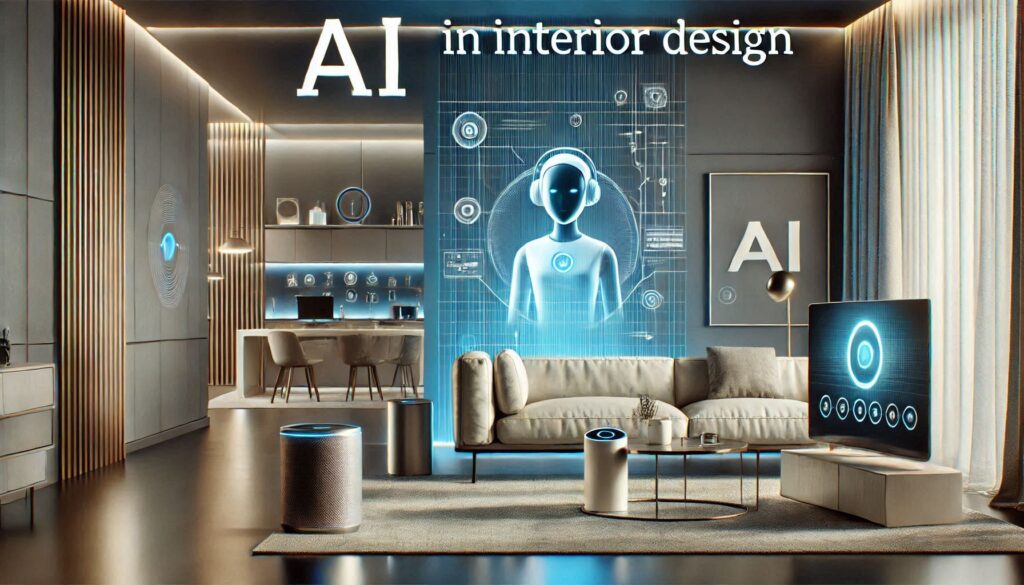
AI in Interior design is an art that blends aesthetics with functionality to create spaces that inspire, comfort, and elevate. Traditionally, this discipline relied heavily on human intuition, creativity, and manual processes. However, the advent of Artificial Intelligence (AI) is reshaping the landscape of AI in interior design, bringing unprecedented efficiency, personalization, and innovation. From conceptualization to execution, AI is proving to be a game-changer, transforming the way designers and homeowners envision and realize their dream spaces.
The Emergence of AI in Interior Design
AI technology has rapidly infiltrated numerous industries, and AI in interior design is no exception. By leveraging machine learning, computer vision, and predictive analytics, AI enables designers to create highly customized and efficient design solutions. Some of the key areas where AI is making its mark include:
- Space Planning: AI algorithms analyze room dimensions, lighting, and traffic flow to suggest optimal layouts that maximize space utilization.
- Material Selection: Machine learning models evaluate thousands of materials, textures, and finishes to recommend combinations that align with the client’s preferences and budget.
- Color Matching: AI tools can suggest harmonious color palettes based on psychological principles, trends, and even the user’s emotional state.
- Virtual Staging: Advanced visualization tools powered by AI allow designers and homeowners to see how furniture and decor will look in a space before making purchases.
- Sustainability Analysis: AI can evaluate the environmental impact of materials and designs, helping to create eco-friendly spaces.
Key AI Tools Transforming AI in Interior Design
Numerous AI-driven tools and platforms are revolutionizing the field of AI in interior design, offering cutting-edge solutions for professionals and amateurs alike. Here are some notable examples:
- Planner 5D: This platform uses AI to help users create detailed AI in interior design plans. With drag-and-drop functionality and a vast library of design elements, it caters to both professionals and novices.
- Autodesk Revit: Known for its Building Information Modeling (BIM) capabilities, Revit integrates AI to optimize design workflows, ensuring accurate planning and visualization.
- Havenly: An online AI in interior design service that uses AI to match clients with designers, Havenly also provides personalized design recommendations based on user preferences.
- Modsy: Modsy employs AI-powered 3D rendering technology to create lifelike visualizations of spaces. Clients can experiment with different layouts and decor styles virtually.
- DecorMatters: This app integrates augmented reality (AR) and AI to allow users to visualize how furniture and decor items will look in their spaces.
How AI Enhances the Design Process
AI not only automates routine tasks but also enhances the creative process, enabling designers to focus more on innovation. Here’s how:
- Improved Efficiency: AI streamlines workflows by automating repetitive tasks like measurements, material sourcing, and budget calculations. This allows designers to allocate more time to creative brainstorming and client interaction.
- Personalization at Scale: AI algorithms analyze user data, such as lifestyle habits and design preferences, to create highly tailored solutions. For example, a homeowner who loves Scandinavian minimalism can receive recommendations that perfectly align with this style.
- Real-Time Feedback: AI-powered visualization tools provide immediate feedback on design changes, enabling designers to experiment and refine concepts dynamically.
- Data-Driven Decisions: By analyzing historical data and current trends, AI offers insights into what works best for specific demographics, climates, and property types.
AI-Powered Visualization and Virtual Reality
Visualization is a cornerstone of AI in interior design, and AI has significantly elevated its possibilities. Tools powered by AI and Virtual Reality (VR) allow clients to immerse themselves in a virtual replica of their future space. This not only bridges the gap between imagination and reality but also reduces the likelihood of costly revisions.
For instance, homeowners can virtually “walk through” a room and experiment with different furniture arrangements, lighting options, and wall colors. This hands-on approach enhances decision-making and ensures that clients are fully satisfied with the design before it’s implemented.
The Role of AI in Sustainable Design
Sustainability is a growing concern in AI in interior design, and AI is playing a pivotal role in promoting eco-friendly practices. Here’s how:
- Material Optimization: AI tools analyze the environmental impact of materials, helping designers select sustainable options without compromising on aesthetics or functionality.
- Energy Efficiency: By simulating energy usage, AI can suggest designs that minimize electricity consumption. For example, it can recommend window placements that maximize natural light.
- Waste Reduction: AI-driven manufacturing processes ensure precise material usage, reducing waste significantly.
AI and Cost Management

Budget constraints are a common challenge in interior design. AI simplifies cost management by:
- Accurate Budgeting: AI algorithms estimate costs based on material choices, labor requirements, and timelines, ensuring transparency and accuracy.
- Smart Sourcing: AI tools can identify cost-effective suppliers and negotiate better deals, making premium designs accessible to a broader audience.
- Preventing Overruns: By predicting potential delays or challenges, AI helps avoid unexpected expenses, keeping projects on track.
Challenges and Ethical Considerations
While AI offers numerous benefits, it also presents challenges and ethical questions:
- Creativity vs. Automation: Critics argue that relying too heavily on AI could stifle creativity and result in cookie-cutter designs.
- Job Displacement: As AI automates many tasks, there are concerns about its impact on employment within the AI in interior design industry.
- Data Privacy: AI systems often require access to personal data, raising concerns about privacy and security.
- Bias in Algorithms: AI models can inadvertently reflect biases in their training data, leading to design recommendations that lack diversity or inclusivity.
The Future of AI in Interior Design
The integration of AI in interior design is still in its early stages, but its potential is immense. In the future, we can expect:
- Advanced Personalization: AI could analyze biometric data, such as heart rate and brain activity, to design spaces that optimize comfort and well-being.
- Collaborative Creativity: AI tools will increasingly act as co-creators, assisting designers in generating innovative concepts while preserving the human touch.
- Seamless Integration with Smart Homes: AI-powered designs will be tailored to integrate seamlessly with smart home technologies, enhancing functionality and user experience.
- Democratization of Design: AI will make professional-grade interior design accessible to everyone, regardless of budget or expertise.
Conclusion
Artificial Intelligence is revolutionizing interior design, blending technology with creativity to redefine how spaces are imagined and brought to life. By enhancing efficiency, personalization, and sustainability, AI empowers designers to push boundaries and deliver exceptional results. However, as with any technological advancement, it’s crucial to navigate the challenges and ethical considerations thoughtfully.
As AI continues to evolve, the future of AI in interior design looks brighter and more dynamic than ever. Whether you’re a seasoned professional or a homeowner embarking on a DIY project, embracing AI can unlock a world of possibilities, transforming your vision into reality with unparalleled precision and flair.
The Impact of AI in Interior Design: Revolutionizing Spaces with Technology

AI in Interior design is an art that blends aesthetics with functionality to create spaces that inspire, comfort, and elevate. Traditionally, this discipline relied heavily on human intuition, creativity, and manual processes. However, the advent of Artificial Intelligence (AI) is reshaping the landscape of AI in interior design, bringing unprecedented efficiency, personalization, and innovation. From conceptualization to execution, AI is proving to be a game-changer, transforming the way designers and homeowners envision and realize their dream spaces.
The Emergence of AI in Interior Design

AI technology has rapidly infiltrated numerous industries, and AI in interior design is no exception. By leveraging machine learning, computer vision, and predictive analytics, AI enables designers to create highly customized and efficient design solutions. Some of the key areas where AI is making its mark include:
- Space Planning: AI algorithms analyze room dimensions, lighting, and traffic flow to suggest optimal layouts that maximize space utilization.
- Material Selection: Machine learning models evaluate thousands of materials, textures, and finishes to recommend combinations that align with the client’s preferences and budget.
- Color Matching: AI tools can suggest harmonious color palettes based on psychological principles, trends, and even the user’s emotional state.
- Virtual Staging: Advanced visualization tools powered by AI allow designers and homeowners to see how furniture and decor will look in a space before making purchases.
- Sustainability Analysis: AI can evaluate the environmental impact of materials and designs, helping to create eco-friendly spaces.
Key AI Tools Transforming Interior Design
Numerous AI-driven tools and platforms are revolutionizing the field of AI in interior design, offering cutting-edge solutions for professionals and amateurs alike. Here are some notable examples:
- Planner 5D: This platform uses AI to help users create detailed AI in interior design plans. With drag-and-drop functionality and a vast library of design elements, it caters to both professionals and novices.
- Autodesk Revit: Known for its Building Information Modeling (BIM) capabilities, Revit integrates AI to optimize design workflows, ensuring accurate planning and visualization.
- Havenly: An online AI in interior design service that uses AI to match clients with designers, Havenly also provides personalized design recommendations based on user preferences.
- Modsy: Modsy employs AI-powered 3D rendering technology to create lifelike visualizations of spaces. Clients can experiment with different layouts and decor styles virtually.
- DecorMatters: This app integrates augmented reality (AR) and AI to allow users to visualize how furniture and decor items will look in their spaces.
How AI Enhances the Design Process
AI not only automates routine tasks but also enhances the creative process, enabling designers to focus more on innovation. Here’s how:
- Improved Efficiency: AI streamlines workflows by automating repetitive tasks like measurements, material sourcing, and budget calculations. This allows designers to allocate more time to creative brainstorming and client interaction.
- Personalization at Scale: AI algorithms analyze user data, such as lifestyle habits and design preferences, to create highly tailored solutions. For example, a homeowner who loves Scandinavian minimalism can receive recommendations that perfectly align with this style.
- Real-Time Feedback: AI-powered visualization tools provide immediate feedback on design changes, enabling designers to experiment and refine concepts dynamically.
- Data-Driven Decisions: By analyzing historical data and current trends, AI offers insights into what works best for specific demographics, climates, and property types.
AI-Powered Visualization and Virtual Reality
Visualization is a cornerstone of AI in interior design, and AI has significantly elevated its possibilities. Tools powered by AI and Virtual Reality (VR) allow clients to immerse themselves in a virtual replica of their future space. This not only bridges the gap between imagination and reality but also reduces the likelihood of costly revisions.
For instance, homeowners can virtually “walk through” a room and experiment with different furniture arrangements, lighting options, and wall colors. This hands-on approach enhances decision-making and ensures that clients are fully satisfied with the design before it’s implemented.
The Role of AI in Sustainable Design
Sustainability is a growing concern in AI in interior design, and AI is playing a pivotal role in promoting eco-friendly practices. Here’s how:
- Material Optimization: AI tools analyze the environmental impact of materials, helping designers select sustainable options without compromising on aesthetics or functionality.
- Energy Efficiency: By simulating energy usage, AI can suggest designs that minimize electricity consumption. For example, it can recommend window placements that maximize natural light.
- Waste Reduction: AI-driven manufacturing processes ensure precise material usage, reducing waste significantly.
AI and Cost Management
Budget constraints are a common challenge in AI in interior design. AI simplifies cost management by:
- Accurate Budgeting: AI algorithms estimate costs based on material choices, labor requirements, and timelines, ensuring transparency and accuracy.
- Smart Sourcing: AI tools can identify cost-effective suppliers and negotiate better deals, making premium designs accessible to a broader audience.
- Preventing Overruns: By predicting potential delays or challenges, AI helps avoid unexpected expenses, keeping projects on track.
Challenges and Ethical Considerations
While AI offers numerous benefits, it also presents challenges and ethical questions:
- Creativity vs. Automation: Critics argue that relying too heavily on AI could stifle creativity and result in cookie-cutter designs.
- Job Displacement: As AI automates many tasks, there are concerns about its impact on employment within the AI in interior design industry.
- Data Privacy: AI systems often require access to personal data, raising concerns about privacy and security.
- Bias in Algorithms: AI models can inadvertently reflect biases in their training data, leading to design recommendations that lack diversity or inclusivity.
AI’s Role in Cross-Cultural Design
One of the emerging applications of AI in interior design is its ability to cater to diverse cultural aesthetics. AI tools can analyze regional styles, preferences, and traditional motifs to create designs that resonate with specific cultural contexts. This feature is particularly beneficial for global projects where understanding and integrating local culture is essential.
AI and Emotional Design
Beyond aesthetics and functionality, AI is beginning to address the emotional aspects of AI in interior design. By analyzing psychological and physiological data, AI can recommend designs that evoke specific emotions. For example:
- Relaxation: AI might suggest soft lighting, cool colors, and minimalistic furniture for spaces intended to promote calmness.
- Productivity: Bright lighting, ergonomic layouts, and stimulating colors could be recommended for home offices.
- Warmth: AI could incorporate warm tones, plush textures, and layered lighting for a cozy ambiance.
The Future of AI in Interior Design
The integration of AI into interior design is still in its early stages, but its potential is immense. In the future, we can expect:
- Advanced Personalization: AI could analyze biometric data, such as heart rate and brain activity, to design spaces that optimize comfort and well-being.
- Collaborative Creativity: AI tools will increasingly act as co-creators, assisting designers in generating innovative concepts while preserving the human touch.
- Seamless Integration with Smart Homes: AI-powered designs will be tailored to integrate seamlessly with smart home technologies, enhancing functionality and user experience.
- Democratization of Design: AI will make professional-grade interior design accessible to everyone, regardless of budget or expertise.
- Real-Time Global Collaboration: AI tools could facilitate global collaboration between designers, enabling them to work together on projects across different time zones and cultures.
Conclusion
Artificial Intelligence is revolutionizing interior design, blending technology with creativity to redefine how spaces are imagined and brought to life. By enhancing efficiency, personalization, and sustainability, AI empowers designers to push boundaries and deliver exceptional results. However, as with any technological advancement, it’s crucial to navigate the challenges and ethical considerations thoughtfully.
As AI continues to evolve, the future of interior design looks brighter and more dynamic than ever. Whether you’re a seasoned professional or a homeowner embarking on a DIY project, embracing AI can unlock a world of possibilities, transforming your vision into reality with unparalleled precision and flair.
Follow to grow career in interior design
Follow hopesnheights
The Role of AI in Revolutionizing Interior Design: A New Era of Creativity and Precision
Interior design has always been a field that combines artistic vision with functional planning. Over time, it has evolved, adapting to new trends, tools, and technologies. Today, Artificial Intelligence (AI) stands at the forefront of this transformation, poised to reshape the way spaces are designed and experienced. From personalized layouts to sustainable solutions, AI brings precision, innovation, and accessibility to the art of designing interiors.
This blog explores the groundbreaking impact of AI on interior design, highlighting its applications, benefits, and challenges while offering a glimpse into the future of this exciting synergy.
What is AI in Interior Design?
AI in interior design refers to the use of advanced algorithms, machine learning, and automation to assist designers in creating efficient, customized, and visually stunning spaces. These technologies analyze data, understand user preferences, and provide actionable insights, transforming the traditional design process into an intelligent, tech-driven workflow.
Key Applications of AI in Interior Design
1. Personalized Design Recommendations
AI-driven platforms can analyze user preferences, lifestyle habits, and design inspirations to create tailored suggestions. By understanding data inputs such as favorite colors, furniture styles, or daily routines, AI ensures that every design aligns perfectly with a user’s personality and needs.
Example: Apps like Modsy and Planner 5D allow users to experiment with different layouts and styles in a virtual setting, offering recommendations that match their tastes.
2. Enhanced Space Planning
Space utilization is crucial in interior design. AI algorithms can optimize layouts by analyzing dimensions, lighting, and foot traffic. This ensures that every corner of a room is functional and visually appealing.
Example: Tools like Autodesk Revit use AI to automate space planning for residential, commercial, or industrial projects, reducing the time spent on manual adjustments.
3. Virtual Reality (VR) and Augmented Reality (AR) Integration
AI works hand in hand with VR and AR to provide immersive design experiences. Clients can “walk through” their future spaces virtually, experimenting with furniture placements, wall colors, and decor elements before making final decisions.
Example: IKEA’s AI-powered AR app lets users see how specific furniture pieces will look and fit in their homes.
4. Material and Color Selection
AI tools can analyze vast databases of materials, textures, and color schemes to recommend options that suit a specific project. This not only saves time but also ensures cohesion in the overall design.
Example: AI tools like ColorMind can generate harmonious color palettes based on mood, style, or even cultural trends.
5. Sustainability and Eco-Friendly Design
With a growing focus on sustainability, AI plays a significant role in helping designers make eco-conscious choices. From analyzing the carbon footprint of materials to suggesting energy-efficient designs, AI promotes environmentally friendly interiors.
Example: Platforms like Cove.Tool provide insights into energy consumption and suggest sustainable building and interior solutions.
Benefits of AI in Interior Design
1. Time Efficiency
AI automates repetitive and time-consuming tasks such as measuring spaces, sourcing materials, and creating blueprints. This allows designers to focus on the creative aspects of their work.
2. Cost-Effectiveness
By reducing errors and optimizing material usage, AI helps minimize waste and unexpected expenses. It also makes professional design services accessible to those on a budget.
3. Enhanced Creativity
Far from replacing human creativity, AI acts as a tool that inspires designers. It offers fresh perspectives, unique combinations, and data-driven insights that push creative boundaries.
4. Precision and Accuracy
AI-powered tools ensure precision in every detail, from measurements to material selection. This level of accuracy reduces revisions and enhances the overall quality of the project.
5. Accessibility for Non-Professionals
AI democratizes interior design by empowering non-professionals to create their own spaces. With user-friendly interfaces and automated recommendations, even beginners can design like pros.
Challenges of AI in Interior Design
Despite its many advantages, the integration of AI in interior design comes with its own set of challenges:
1. Dependency on Technology
Relying too heavily on AI might overshadow the human touch and intuition that are central to interior design.
2. High Initial Investment
Advanced AI tools and software can be expensive, making them less accessible to smaller firms or independent designers.
3. Privacy Concerns
AI often requires access to personal data to deliver personalized recommendations, raising concerns about data security and privacy.
4. Risk of Homogeneity
If multiple users rely on the same AI tools, there is a risk of designs becoming too uniform or lacking uniqueness.
AI-Powered Tools Shaping the Industry
Several AI tools have revolutionized the interior design landscape:
- Modsy: Combines AI and 3D rendering to create virtual layouts.
- Planner 5D: Allows users to design detailed interiors with AI-driven suggestions.
- Havenly: Matches users with designers and provides AI-generated design concepts.
- Autodesk Revit: Offers advanced building and interior modeling features.
- ColorMind: Generates sophisticated color palettes tailored to individual preferences.
The Role of AI in Sustainable Design
Sustainability has become a cornerstone of modern design, and AI plays a pivotal role in promoting green practices.
- Material Analysis: AI evaluates materials for durability and environmental impact, helping designers choose sustainable options.
- Energy Efficiency: AI simulates energy consumption, optimizing designs to reduce electricity and water usage.
- Waste Reduction: With precise planning, AI minimizes material wastage during construction and furnishing.
The Future of AI in Interior Design
As AI technology advances, its role in interior design will only grow more significant. Here are some potential future developments:
1. Hyper-Personalization
AI could analyze biometric data, such as heart rate and mood, to design spaces that improve mental well-being and productivity.
2. Collaborative AI
Designers and AI systems will work together seamlessly, with AI acting as a creative partner rather than just a tool.
3. Integration with Smart Homes
AI-driven designs will incorporate smart home technologies, ensuring that interiors are not only beautiful but also highly functional and automated.
4. Global Accessibility
AI will bridge cultural and linguistic gaps, making design solutions accessible to people around the world.
Final Thoughts
Artificial Intelligence is not just a tool; it is a transformative force in the world of interior design. By enhancing efficiency, fostering creativity, and promoting sustainability, AI empowers designers to reimagine spaces like never before.
As technology continues to evolve, so too will the possibilities for interior design. Whether you’re a seasoned professional, a DIY enthusiast, or simply someone looking to revamp a room, AI opens the door to endless design opportunities. Embracing this technology is not just an option; it’s the future of creating spaces that truly feel like home.



Add comment