
Top 10 Interior Design Trends in India: Capturing Comprehensive Elegance and Functionality
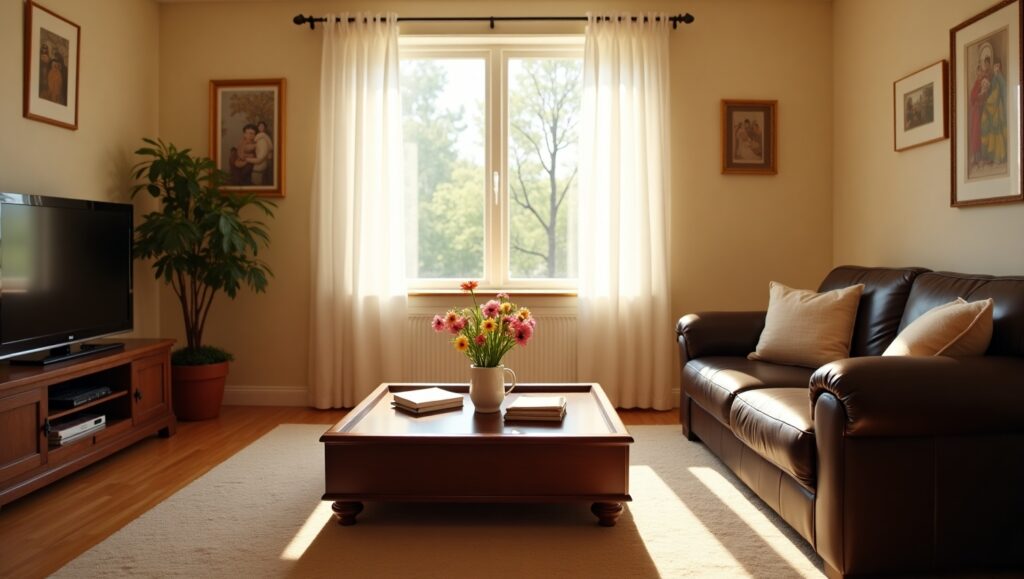
Interior design in India has witnessed a fascinating evolution, blending traditional aesthetics with modern functionality. As the demand for creative and practical living spaces grows, homeowners are constantly looking for inspiration to enhance their interior design. In this blog, we explore the top interior design trends in India, offering ideas that can inspire your next project.
1. Sustainable and Eco-Friendly Interior Design
The growing awareness of environmental issues has shifted the focus toward sustainable living. In interior design, this translates to the use of eco-friendly materials and energy-efficient solutions. Here are some key aspects:
- Recycled Materials: Furniture and decor made from reclaimed wood, recycled metals, and other sustainable materials are becoming increasingly popular.
- Energy Efficiency: LED lighting, solar-powered appliances, and energy-efficient insulation methods are integral to eco-friendly homes.
- Green Spaces: Vertical gardens, indoor plants, and small-scale herb gardens enhance air quality and bring a natural touch to interior design.
Design Tip:
Incorporate materials like bamboo, jute, and cork into your interior design for a rustic yet elegant look.
2. Fusion of Traditional and Modern Styles
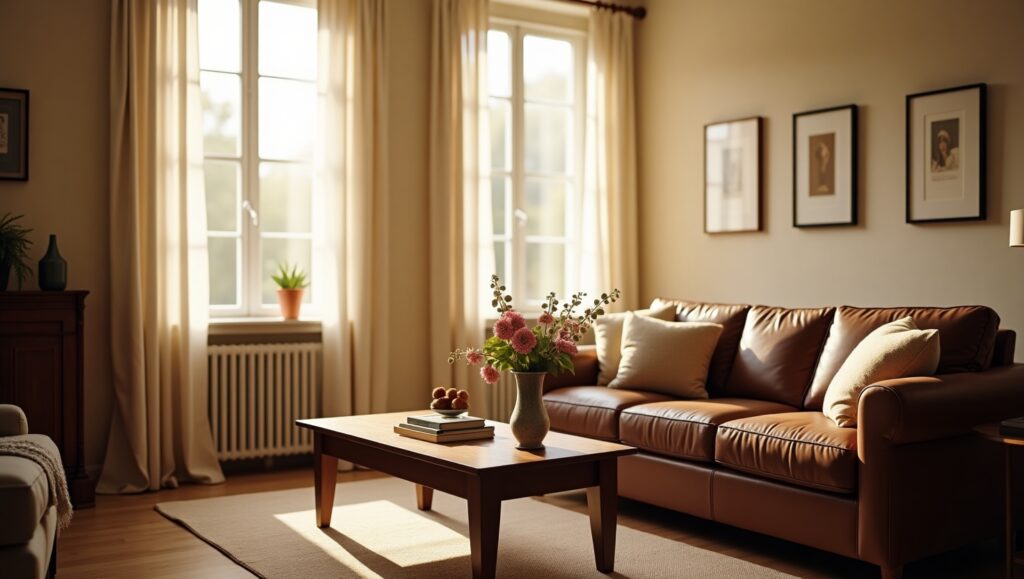
Indian interior design often strikes a balance between traditional heritage and modern minimalism. The fusion of these styles creates a unique aesthetic that’s both nostalgic and contemporary.
- Traditional Touches: Hand-carved furniture, intricate jaali designs, and vibrant Indian textiles like ikat or block prints add warmth and character.
- Modern Minimalism: Clean lines, open spaces, and neutral color palettes ensure that the decor remains sophisticated and clutter-free.
Design Tip:
Pair a vintage wooden swing with sleek metallic fixtures to achieve the perfect blend of tradition and modernity.
3. Bold Color Palettes
Vibrant colors have always been central to Indian interior design. However, the contemporary approach involves using bold shades strategically to create focal points.
- Rich Hues: Colors like emerald green, royal blue, and mustard yellow are trending.
- Accent Walls: A bold-colored or patterned accent wall can add depth and character.
- Layering Colors: Combine bold shades with softer tones to create a balanced look.
Design Tip:
Use jewel tones in smaller areas like cushions or rugs to add a pop of color without overwhelming the space.
4. Biophilic Design
Biophilic design connects indoor spaces with nature, promoting well-being and serenity. This trend is gaining traction in urban homes, where outdoor access is often limited.
- Natural Elements: Incorporate stone, wood, and clay to bring organic textures into your home.
- Indoor Plants: From large monstera leaves to tiny succulents, plants create a refreshing ambiance.
- Maximizing Light: Large windows, skylights, and mirrors amplify natural light.
Design Tip:
Consider a statement plant, like a fiddle-leaf fig, to act as a natural centerpiece.
5. Smart Home Integration
With advancements in technology, integrating smart features into home design has become a necessity rather than a luxury. These features enhance convenience and elevate the living experience.
- Smart Lighting: Dimmable and programmable lighting systems create the perfect ambiance.
- Automation: Voice-controlled devices for climate control, curtains, and security systems add modern functionality.
- Multi-Functional Furniture: Smart furniture with in-built charging ports and storage solutions are perfect for modern homes.
Design Tip:
Ensure that smart devices blend seamlessly with the decor by opting for minimalist designs and neutral colors.
6. Minimalism with Functionality
Minimalist design focuses on simplicity and practicality, making spaces look open and organized. In Indian homes, this often translates to multifunctional furniture and thoughtful layouts.
- Space Optimization: Use foldable or extendable furniture to maximize space.
- Neutral Tones: Whites, greys, and beiges create a soothing backdrop.
- Uncluttered Decor: Opt for fewer but impactful decorative pieces.
Design Tip:
Invest in built-in storage solutions to maintain a sleek and tidy appearance.
7. Natural Materials
Natural materials bring warmth, texture, and authenticity to interiors. They are also sustainable and versatile, fitting various design styles.
- Wood: Teak, mango, and rosewood are commonly used for furniture.
- Stone: Marble and granite are perfect for countertops and flooring.
- Clay and Terracotta: These materials add earthy tones and rustic charm.
Design Tip:
Combine wood and stone elements in kitchens and bathrooms for a luxurious yet organic feel.
8. Maximalism and Personalization
While minimalism is popular, maximalism—the art of “more is more”—is also making a statement. This trend emphasizes personality and individuality through decor.
- Bold Decor: Use statement pieces like oversized art, colorful rugs, and eclectic furniture.
- Layering Textures: Combine fabrics, patterns, and materials for a rich look.
- Personal Touches: Display collections, souvenirs, or family heirlooms to make the space uniquely yours.
Design Tip:
Choose a cohesive color palette to prevent maximalist designs from looking chaotic.
9. Outdoor-Inspired Indoor Spaces
Creating outdoor-inspired interiors is a trend fueled by the need to bring tranquility and openness into homes.
- Patio-Inspired Decor: Rattan furniture, outdoor rugs, and string lights create a laid-back vibe.
- Neutral and Earthy Tones: Shades of green, brown, and beige mimic natural landscapes.
- Water Features: Small fountains or aquariums add an element of calm.
Design Tip:
Incorporate open-plan layouts to blur the boundaries between indoor and outdoor spaces.
10. Cultural Influences
Indian homes often draw inspiration from diverse regional art and architecture. Incorporating cultural elements makes interiors more meaningful.
- Local Crafts: Use handcrafted items like pottery, woven baskets, and embroidered textiles.
- Architectural Elements: Arches, domes, and traditional flooring styles like Athangudi tiles add a historical touch.
- Regional Themes: Decor inspired by Rajasthan, Kerala, or Gujarat can add a cultural narrative.
Design Tip:
Mix traditional artifacts with modern furniture for a balanced and curated look.
Conclusion
India’s interior design landscape is as diverse and vibrant as its culture. By blending tradition with modernity, and sustainability with functionality, homeowners can create spaces that reflect their unique tastes and values. Whether you’re drawn to bold color palettes, minimalist designs, or biophilic elements, there’s no shortage of inspiration to transform your home into a personal haven.
Take these trends as a starting point and let your creativity shine. Happy designing!

About author


Add comment