The Future of Interiors: 2025 Shining Design Trends to Inspire Your Home
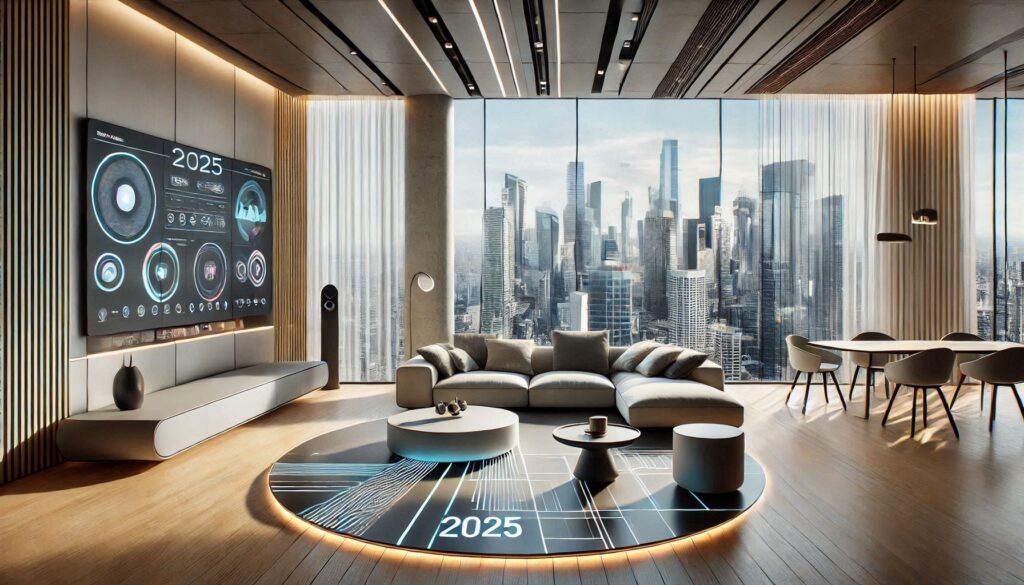
As we step into 2025, the world of interior design continues to evolve, blending cutting-edge technology, sustainability, and personal expression. Homes are no longer just places to live; they are multifunctional spaces reflecting individuality, fostering wellness, and connecting us with the environment. Here’s a comprehensive look at the design trends set to shape interiors in 2025, inspiring you to create a space that’s both stylish and functional.
1. Sustainable and Eco-Friendly Designs
Sustainability remains a cornerstone of interior design, with a renewed emphasis on eco-conscious choices. Biodegradable materials, recycled furniture, and low-VOC paints are becoming standard. Designers are incorporating:
- Reclaimed Wood and Materials: Furniture and flooring crafted from salvaged wood, metal, and glass bring charm while reducing waste.
- Greenery Integration: Living walls, indoor gardens, and potted plants continue to thrive, enhancing air quality and adding vitality to spaces.
- Energy-Efficient Solutions: Smart thermostats, solar panels, and LED lighting solutions not only reduce carbon footprints but also contribute to sleek, modern aesthetics.
2. Biophilic Design
Biophilic design, which emphasizes the connection between interiors and nature, will dominate. Think open layouts with ample natural light, organic shapes, and earthy color palettes. Key features include:
- Natural Textures: Incorporating stone, wood, and bamboo to create tactile, soothing environments.
- Outdoor-Indoor Fusion: Large sliding glass doors, expansive windows, and transitional spaces that blur the boundary between indoors and outdoors.
3. Smart Home Integration
Technology continues to reshape our living spaces. In 2025, smart homes are more intuitive, integrating seamlessly into interior aesthetics. Trends include:
- Voice-Activated Devices: Alexa and Google Assistant are evolving with enhanced features, enabling effortless control over lighting, security, and climate.
- Invisible Tech: Wireless charging stations, hidden speakers, and built-in projectors merge with minimalist designs.
- Health-Focused Gadgets: Air purifiers, circadian lighting, and smart appliances promoting healthier lifestyles.
4. Color Trends for 2025
Color choices are pivotal in setting the mood of a home. This year’s palettes combine optimism, warmth, and tranquility:
- Earthy Tones: Shades like terracotta, olive green, and sandy beige connect interiors to nature.
- Vivid Accents: Vibrant hues like cobalt blue and mustard yellow add depth and energy.
- Pastel Revival: Soft lavender, mint green, and peach provide a calming touch, ideal for bedrooms and relaxation spaces.
5. Multifunctional Spaces
With the rise of remote work and compact living, multifunctional spaces are a necessity. Design solutions include:
- Convertible Furniture: Sofas that transform into beds, foldable desks, and stackable chairs optimize space without compromising style.
- Zoned Layouts: Distinct zones within open-plan spaces for work, leisure, and dining, achieved using rugs, partitions, and varying lighting.
- Home Offices: Ergonomically designed workspaces with ample storage and natural lighting to boost productivity.
6. Artisan and Handmade Elements
As people seek unique, personal touches in their homes, artisan and handcrafted items are making a significant comeback. Features include:
- Handwoven Textiles: Rugs, throws, and cushions with intricate patterns bring warmth and character.
- Custom Furniture: Bespoke pieces crafted by local artisans resonate with authenticity and exclusivity.
- Ceramics and Pottery: Handmade vases, plates, and decor items add an organic, imperfect charm.
7. Retro-Futurism
The nostalgic yet forward-thinking aesthetic of retro-futurism is trending. Interiors blend vintage elements with modern twists:
- Bold Patterns: Geometric and psychedelic prints reminiscent of the 1960s and 70s.
- Curved Furniture: Sofas, tables, and chairs with rounded edges exude a playful, futuristic vibe.
- Metallic Accents: Chrome, brass, and gold add a touch of luxury and nostalgia.
8. Mindful Minimalism
Minimalism evolves into a more mindful approach, focusing on purpose and sustainability rather than starkness. Key characteristics include:
- Neutral Palettes: Soft whites, greys, and taupes create a serene foundation.
- Quality Over Quantity: Fewer, high-quality pieces that serve multiple purposes.
- Decluttered Spaces: Thoughtfully organized areas that inspire peace and clarity.
9. Textural Play
Texture-rich designs offer a sensory experience, adding depth and interest. In 2025, expect:
- Layered Fabrics: Velvet, linen, and boucle used in upholstery and decor.
- Textured Walls: 3D wall panels, exposed brick, and textured wallpapers.
- Tactile Accessories: Sculptural decor, woven baskets, and ceramic art.
10. Wellness-Centric Design
Homes are becoming sanctuaries for mental and physical well-being. Wellness-driven designs include:
- Spa-Like Bathrooms: Rain showers, freestanding tubs, and natural stone finishes.
- Meditation Zones: Quiet nooks with comfortable seating, calming colors, and diffused lighting.
- Fitness-Friendly Areas: Home gyms equipped with smart equipment and motivational aesthetics.
11. Global Influences
Global inspirations continue to enrich interiors. Ethnic patterns, vibrant colors, and unique craftsmanship from various cultures make a statement:
- Scandinavian Simplicity: Clean lines and functionality with cozy accents like sheepskin rugs.
- Japanese Zen: Minimalist layouts, tatami mats, and Shoji screens.
- African Prints: Bold textiles, carved wooden furniture, and tribal motifs.
12. Sustainability in Luxury
Luxury doesn’t have to compromise sustainability. High-end designs incorporate eco-friendly elements:
- Upcycled Luxury: Repurposed materials crafted into elegant designs.
- Eco-Luxe Fabrics: Organic cotton, silk, and wool dyed with natural pigments.
- Conscious Craftsmanship: Limited-edition pieces created with ethical practices.
Embracing the Future
As these trends unfold, the future of interior design in 2025 reflects a deepening relationship between people, their homes, and the planet. By embracing these ideas, you can create a home that’s not only beautiful but also sustainable, functional, and reflective of your unique personality. Whether you’re renovating or starting fresh, these trends offer endless inspiration to make your space truly your own.
The Future of Interior Design Industry in India: A Vision for 2025 and Beyond
The interior design industry in India is undergoing a transformative shift, fueled by rapid urbanization, increasing disposable incomes, and an evolving aesthetic sensibility among consumers. By 2025 and beyond, the sector is poised for significant growth, driven by technological advancements, sustainability imperatives, and a deeper appreciation for design as a critical component of living and working spaces. This detailed exploration delves into the trends, challenges, and opportunities shaping the future of interior design in India.
1. Market Growth and Opportunities
India’s interior design market is projected to grow exponentially, with the real estate sector serving as a major driver. Increasing construction of residential complexes, commercial spaces, and co-working hubs has created a burgeoning demand for interior design services. Key statistics:
- Urbanization: Over 40% of India’s population is expected to reside in urban areas by 2030, necessitating well-planned interiors to maximize space efficiency.
- Rising Middle Class: A growing middle class with aspirations for stylish and functional homes is expanding the client base for designers.
- Corporate Sector: Businesses are investing in employee-centric office designs to enhance productivity and well-being, fueling demand for commercial interior design.
2. Technology Integration
Technology is redefining the interior design landscape, making the process more efficient, collaborative, and innovative. Key technological advancements include:
- Virtual Reality (VR) and Augmented Reality (AR): These tools allow clients to visualize designs in 3D, enabling real-time modifications and better decision-making.
- Artificial Intelligence (AI): AI-powered design tools assist in creating personalized layouts based on client preferences and optimizing resource use.
- Smart Homes: Integration of IoT (Internet of Things) devices like smart lighting, thermostats, and automated curtains is becoming standard practice.
- BIM (Building Information Modeling): BIM software streamlines project management by integrating design, construction, and operational data.
3. Sustainability as a Core Principle
As environmental consciousness grows, sustainability is becoming a cornerstone of interior design in India. Clients are increasingly seeking eco-friendly options that align with global trends. Designers are responding with:
- Eco-Friendly Materials: Use of bamboo, reclaimed wood, recycled metal, and low-VOC paints.
- Energy-Efficient Designs: Incorporating solar panels, LED lighting, and insulation techniques to reduce energy consumption.
- Waste Reduction: Emphasis on upcycling and repurposing materials to minimize waste.
- Green Certifications: LEED and GRIHA certifications are becoming benchmarks for environmentally responsible projects.
4. Cultural and Regional Influences
India’s rich cultural heritage continues to inspire interior design, with a contemporary twist. Traditional elements are being seamlessly blended with modern aesthetics to create unique spaces:
- Regional Artisanship: Handwoven textiles, terracotta tiles, and wooden carvings from different regions add authenticity and charm.
- Color Palettes: Vibrant hues inspired by Indian festivals and landscapes are making a comeback.
- Fusion Designs: Combining elements of Mughal, Rajput, and South Indian architecture with minimalist design principles.
5. Emergence of Personalization
Clients increasingly value homes and workplaces that reflect their personalities and values. Personalization is becoming a significant trend:
- Bespoke Furniture: Custom-made furniture tailored to individual preferences.
- Thematic Designs: Interiors based on specific themes like industrial chic, bohemian, or Scandinavian.
- Flexible Layouts: Modular designs that adapt to changing needs, such as transformable furniture for compact living spaces.
6. Urban Challenges and Space Optimization
India’s urban centers are grappling with space constraints, prompting innovative interior design solutions:
- Compact Living: Designs focusing on maximizing utility in smaller spaces through vertical storage, foldable furniture, and open layouts.
- Co-Living Spaces: Interiors that cater to shared living arrangements, particularly for young professionals and students.
- Smart Furniture: Multi-functional pieces like sofa beds, wall-mounted desks, and expandable dining tables.
7. Rise of Co-Working and Hybrid Spaces
The shift towards hybrid work models post-pandemic has reshaped interior design for workplaces:
- Collaborative Zones: Offices with open spaces fostering teamwork, complemented by private cabins for focused work.
- Biophilic Designs: Incorporating greenery, natural light, and organic materials to create calming work environments.
- Technology-Driven Designs: Seamless integration of video conferencing tools, wireless charging stations, and acoustics for virtual meetings.
8. Education and Professional Growth
The demand for skilled interior designers is leading to an expansion in educational programs and certifications:
- Specialized Courses: Universities and design institutes are offering programs in sustainable design, lighting design, and smart interiors.
- Professional Networks: Organizations like the Indian Institute of Interior Designers (IIID) are providing platforms for networking, collaboration, and continuous learning.
- Freelancing Opportunities: The gig economy is creating avenues for independent designers to work on diverse projects.
9. Affordability and Accessibility
Interior design is no longer limited to the elite. Start-ups and online platforms are making design services accessible to a wider audience:
- Design Marketplaces: Platforms like Livspace and HomeLane offer end-to-end solutions, from design to execution.
- DIY Trends: Tutorials and kits are empowering homeowners to undertake small-scale design projects themselves.
- Affordable Luxury: Mid-range products that combine style and quality are gaining popularity.
10. Future Trends to Watch
The interior design industry in India is set to embrace several emerging trends:
- Sustainable Luxury: Eco-friendly materials with a luxurious appeal.
- Aging in Place: Designs catering to the elderly, including grab bars, non-slip flooring, and ergonomic layouts.
- Digital Nomad Spaces: Interiors tailored for professionals working remotely from different locations.
- Wellness-Focused Designs: Spaces designed to promote mental and physical well-being through ergonomic furniture, calming color schemes, and sensory elements.
Challenges Ahead
While the future is promising, the industry faces challenges that need addressing:
- Skilled Workforce: Bridging the gap between demand and supply of trained professionals.
- Cost Management: Balancing affordability with quality in a price-sensitive market.
- Sustainability: Overcoming resistance to adopting eco-friendly practices due to higher initial costs.
- Regulatory Framework: Streamlining policies to ensure ethical practices and safety standards.
Conclusion
The future of the interior design industry in India is bright, characterized by innovation, sustainability, and cultural richness. Designers who adapt to changing client needs, leverage technology, and embrace eco-conscious practices will thrive in this dynamic landscape. As India’s cities grow and evolve, interior design will play a pivotal role in shaping spaces that are not only beautiful but also functional, sustainable, and reflective of individual identities.
Future Scope of Interior Designing
The field of interior designing is rapidly evolving and presents immense opportunities as it adapts to emerging technologies, sustainability demands, and lifestyle changes. The scope of interior designing extends across various domains, offering a mix of creativity, technical expertise, and business potential. Here’s an in-depth look at its future scope:
1. Booming Real Estate Sector
- Residential Projects: With urbanization and housing demands rising, there’s a growing need for interior designers to create efficient, aesthetic, and functional living spaces.
- Commercial Spaces: Malls, retail stores, restaurants, and office spaces increasingly require customized designs to enhance customer experience and employee productivity.
- Luxury Real Estate: High-net-worth individuals seek bespoke interiors, offering opportunities for premium interior design services.
2. Technological Advancements
- Virtual Reality (VR) and Augmented Reality (AR): Designers can use these tools to provide immersive visualizations, enabling clients to explore spaces before execution.
- Smart Home Integration: As IoT (Internet of Things) adoption grows, interior designers will need to incorporate smart systems seamlessly into homes and offices.
- 3D Printing: The ability to create custom furniture and decor items using 3D printing will revolutionize the industry.
- Design Software: Advanced tools like AutoCAD, SketchUp, and Revit are making designs more precise and execution more efficient.
3. Sustainability and Eco-Friendly Designs
- Demand for Green Interiors: With increasing environmental awareness, there’s a significant shift toward using sustainable materials and energy-efficient designs.
- Circular Economy: Upcycling, recycling, and repurposing furniture and decor items will open new avenues for eco-conscious designers.
- Green Certifications: Expertise in certifications like LEED (Leadership in Energy and Environmental Design) will enhance career prospects.
4. Rising Demand for Specialization
- Healthcare Design: Designing hospitals and wellness centers with patient-centric layouts and calming aesthetics is a growing niche.
- Educational Spaces: Schools and universities are focusing on creating innovative and inclusive learning environments.
- Hospitality Design: Hotels, resorts, and restaurants require unique themes and luxury experiences, creating a need for specialized designers.
5. Globalization and Cultural Exchange
- Fusion Designs: Blending global styles with local traditions is gaining popularity, providing designers with creative freedom.
- International Collaborations: Indian designers are gaining recognition globally, opening opportunities for cross-border projects.
6. Growing Preference for Personalization
- Bespoke Services: Homeowners and businesses increasingly seek tailored interiors reflecting their personalities or brand identities.
- Lifestyle Adaptations: Designs catering to specific lifestyles, such as minimalist, bohemian, or industrial, will see growing demand.
7. Education and Career Opportunities
- Diverse Career Roles: Beyond traditional interior design, roles such as space planners, color consultants, and set designers are emerging.
- Teaching and Research: Opportunities in academic institutions for teaching and conducting research in interior design practices.
- Freelancing and Entrepreneurship: Many professionals are starting their firms or freelancing, offering flexible career paths.
8. Urbanization and Compact Living
- Space Optimization: Interior designers are tasked with creating multifunctional and compact spaces for urban dwellers.
- Co-Living and Co-Working Spaces: The rise of shared spaces offers new design challenges and opportunities.
9. Integration of Wellness Design
- Biophilic Design: Incorporating natural elements into interiors to enhance well-being is becoming a priority.
- Stress-Reducing Spaces: Focus on creating environments that reduce stress, improve productivity, and promote mental health.
10. Economic Growth and Disposable Income
- Rising Middle Class: Increased spending capacity among the middle class is driving demand for professional interior design services.
- Affordable Design Solutions: Start-ups and DIY-friendly approaches are making interior design accessible to a broader audience.
Challenges and Solutions
While the future is promising, the industry faces some challenges:
- Cost Sensitivity: Clients in developing markets may prioritize cost over quality. Solution: Offer scalable services and emphasize long-term value.
- Skilled Workforce: The demand for qualified designers often exceeds supply. Solution: Invest in education and training programs.
- Technology Adoption: Resistance to adopting new technologies. Solution: Demonstrate the benefits of tech integration to clients and professionals.
FOLLOW: Hopes N Heights Interiors For More
Read More : Click Here

About author


Add comment