
A1 Comprehensive Guide to Interior Design for Home
Interior design for home is not just about aesthetics; it’s about creating a space that reflects your personality, meets your functional needs, and offers a comforting sanctuary. Whether you’re renovating, building from scratch, or just refreshing a room, understanding the principles of interior design for home is crucial.
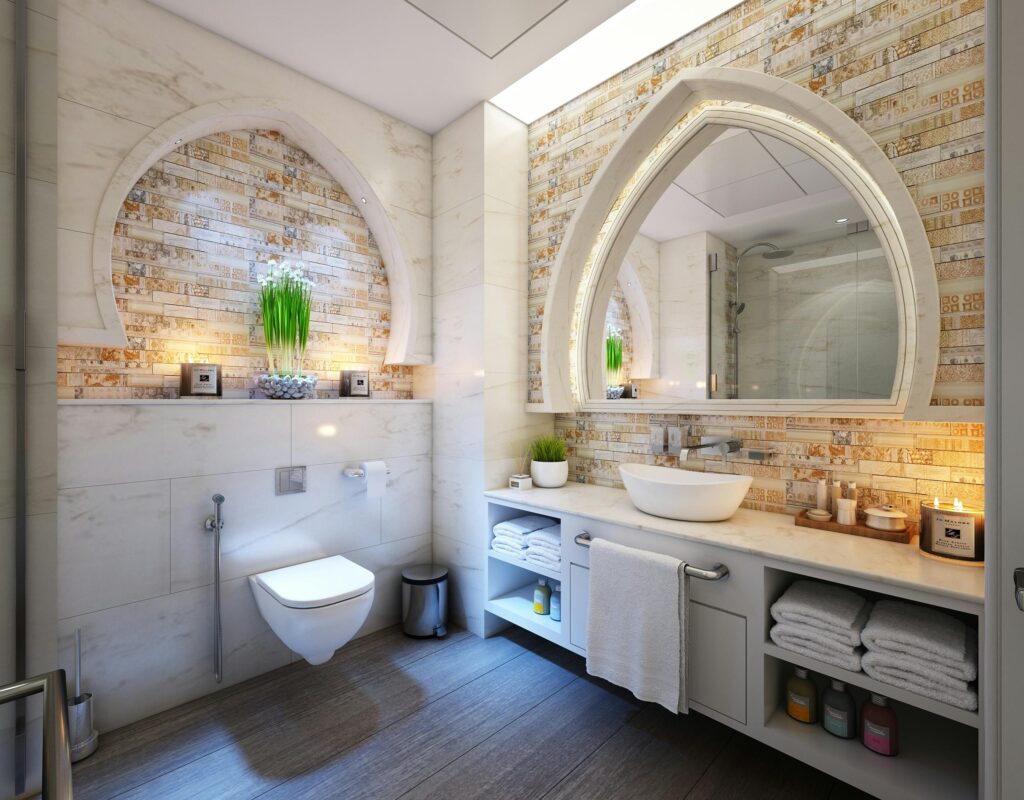
In this blog, we will explore the key aspects of interior design for home, from layout planning to choosing materials and incorporating the latest interior design for home trends. Along the way, don’t forget to check out our social media platforms for more tips and inspiration:
- Instagram: @hopesnheights
- YouTube: The Interior Carpentry Lab
The Fundamentals of Interior Design for Home
1. Understanding Your Space
Before you start decorating or purchasing furniture, assess your space. Consider:
- Room size: Larger rooms allow for more versatility in furniture placement and decor, while smaller spaces require smart, compact solutions.
- Natural light: Determine how much sunlight your rooms receive. Light influences color choice, furniture placement, and overall mood.
- Purpose: Define the purpose of each room. A living room’s design will differ from a home office.
2. Creating a Layout
A functional layout is the backbone of good interior design for home. Use tools like floor planners or simply sketch your ideas. Ensure the layout supports:
- Movement: Leave adequate walking space.
- Zones: For open-plan homes, create distinct zones using rugs, furniture arrangements, or room dividers.
- Balance: Achieve symmetry or asymmetry based on your preference.
3. Choosing a Color Palette
Colors influence emotions and can visually alter a room’s size. Here’s how to pick:
- Neutral tones create a calming effect and work as a backdrop for bold accents.
- Bright colors like yellows and reds can energize a room.
- Cool shades like blues and greens evoke relaxation.
Furniture and Decor Essentials
4. Selecting Furniture
Invest in quality, durable furniture that matches your home’s style. Consider:
- Proportions: Furniture should fit the room’s scale.
- Functionality: Multi-purpose furniture is ideal for small homes.
- Style consistency: Modern, rustic, or minimalist—ensure your furniture aligns with the overall theme.
5. Incorporating Lighting
Lighting is crucial for creating ambiance and highlighting focal points. Use a combination of:
- Ambient lighting: Ceiling lights and chandeliers for overall illumination.
- Task lighting: Desk lamps and under-cabinet lights for specific tasks.
- Accent lighting: Wall sconces or spotlights to highlight artwork or architectural features.
6. Adding Decorative Elements
Accessories breathe life into a room. Try:
- Wall art and mirrors for visual appeal.
- Throw pillows and rugs to add texture.
- Plants for a natural touch.
For more detailed design ideas, check out our YouTube channel: The Interior Carpentry Lab.
Trends in Interior Design for Home
7. Biophilic Design
Integrate nature into your home. Use natural materials like wood, stone, and cotton. Add indoor plants and maximize natural light.
8. Sustainable Choices
Opt for eco-friendly materials like bamboo, reclaimed wood, and low-VOC paints. Reduce waste by upcycling old furniture.
9. Smart Homes
Technology is reshaping interior design for home. Incorporate smart lighting, thermostats, and voice-controlled systems for a modern touch.
DIY Interior Design Tips
10. Repaint Walls
A fresh coat of paint can transform any room. Experiment with accent walls or textured finishes.
11. Rearrange Furniture
Sometimes, all you need is a new perspective. Try different furniture arrangements to refresh your space.
12. Customize Decor
Create personalized decor using DIY techniques. For tutorials, follow us on Instagram: @hopesnheights.
Mistakes to Avoid
- Overcrowding: Less is more. Avoid filling every corner.
- Ignoring Lighting: Poor lighting can ruin even the best designs.
- Disregarding Scale: Oversized furniture in small rooms can make the space feel cramped.
Budget-Friendly Interior Design for Home
13. Thrift Shopping
Explore thrift stores and flea markets for unique, affordable pieces.
14. DIY Projects
From painting old furniture to crafting wall art, DIY can save money and add a personal touch.
15. Repurpose Existing Items
Turn unused items into functional decor. For inspiration, subscribe to The Interior Carpentry Lab.
Recommended Home Decor Products
Enhance your interiors with thoughtfully chosen decor items. Explore our affiliate link for a curated selection of home decor products: Shop Home Decor.
Final Thoughts
Interior design for home is about creating a space that feels uniquely yours. By understanding the fundamentals, staying updated on trends, and making thoughtful choices, you can achieve a beautiful and functional home. For daily design tips and inspiration, follow us on:
- Instagram: @hopesnheights
- YouTube: The Interior Carpentry Lab
And don’t forget to check out our affiliate link for the best home decor products: Shop Home Decor.
Home Decors
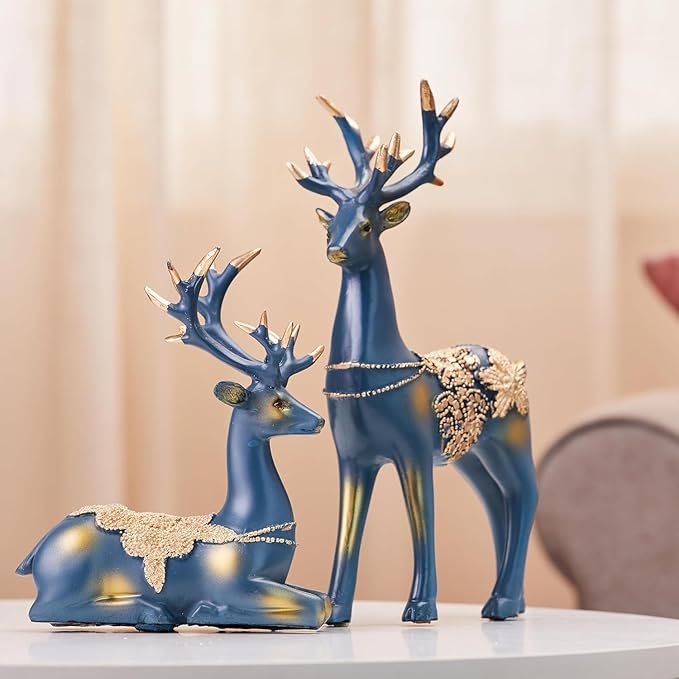
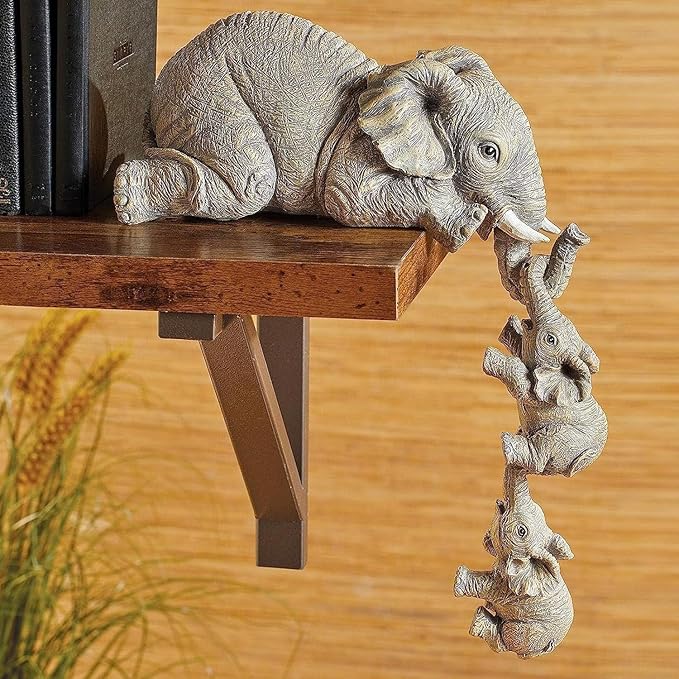
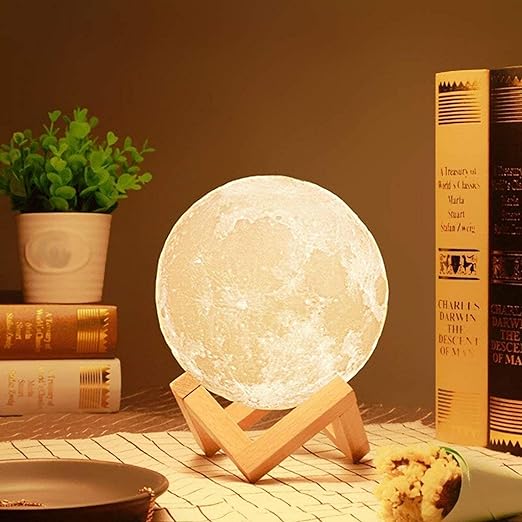
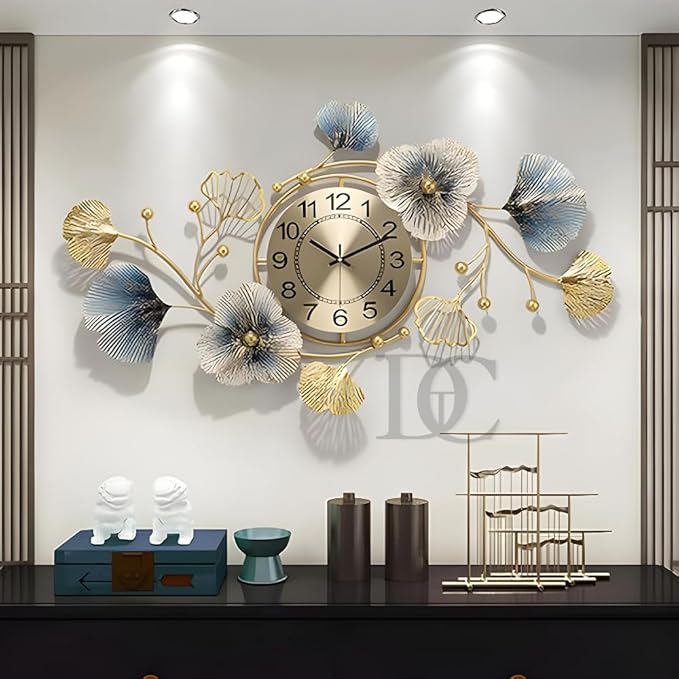
Home Decors to Enhance Your Space
Decorating your home doesn’t have to be overwhelming. Here are some easy-to-incorporate home decor ideas to elevate your interiors:
-
Statement Wall Art: Invest in large, eye-catching artwork or create a gallery wall with a mix of frames.
-
Indoor Plants: Add greenery to your home with low-maintenance plants like succulents or ferns.
-
Decorative Mirrors: Use mirrors to create the illusion of a larger space and reflect natural light.
-
Throw Pillows and Blankets: Enhance comfort and style with colorful or textured pillows and throws.
-
Rugs and Carpets: Define spaces with area rugs and add warmth to your floors.
-
Accent Lighting: Incorporate table lamps, fairy lights, or pendant lights for a cozy ambiance.
-
Wall Shelves: Display books, photos, or small decorative items on stylish wall-mounted shelves.
-
Candles and Diffusers: Use scented candles or diffusers to create a calming atmosphere.
-
Vases and Centerpieces: Decorate tables or shelves with ceramic, glass, or wooden vases filled with fresh or faux flowers.
-
Personalized Items: Include family photos, handmade crafts, or travel souvenirs to make your space uniquely yours.
Top Trends in Interior Design For Home
Interior design trends evolve continuously, offering a wealth of inspiration for creating stylish and functional living spaces. Here are some of the most popular trends dominating the world of interiors:
-
Minimalism: Clean lines, neutral tones, and functional spaces define minimalism. It’s all about “less is more.” Invest in multi-functional furniture and declutter your spaces.
-
Sustainable Design: Eco-friendly materials and sustainable practices are becoming essential. Furniture made from bamboo, recycled wood, or organic fabrics is both stylish and conscious.
-
Biophilic Design: Incorporating natural elements like greenery, wooden finishes, and natural light brings the outdoors in, creating a serene and refreshing ambiance.
-
Maximalism: This trend celebrates bold colors, patterns, and textures. Mix and match furniture, textiles, and decor for a vibrant, eclectic look.
-
Smart Home Integration: Modern homes are embracing technology with smart lights, thermostats, and voice-controlled gadgets.
For decor ideas aligned with these trends, check out Shop Home Decor.
Budget-Friendly Home Decor Ideas
Transforming your home doesn’t have to break the bank. Here are some budget-friendly tips for giving your interiors a fresh look:
-
Rearrange Furniture: Sometimes, moving pieces around can drastically change a room’s vibe.
-
DIY Projects: Create your own wall art, paint an accent wall, or refurbish old furniture.
-
Use Lighting: Affordable fairy lights, candles, or table lamps can elevate the ambiance.
-
Second-Hand Shopping: Thrift stores and flea markets are treasure troves for unique and affordable finds.
-
Layer Textures: Throw blankets, cushions, and rugs can add depth and coziness to your space.
Explore budget-friendly products here: Shop Home Decor.
Essential Decor for Every Room
Decorating every room in your house can bring harmony and character to your home. Here are some essentials:
Living Room
-
A comfortable sofa or sectional.
-
A stylish coffee table.
-
Decorative cushions and throws.
-
Wall art or a statement mirror.
Bedroom
-
A plush, inviting bed.
-
Bedside tables with lamps.
-
Layered bedding with cozy quilts.
-
Area rugs for added warmth.
Kitchen
-
Stylish countertop organizers.
-
Functional lighting like pendant lights.
-
A rug or mat near the sink.
-
Wall-mounted shelves for spices or decor.
Bathroom
-
Matching towel sets.
-
Scented candles or diffusers.
-
A decorative mirror.
-
Storage baskets for toiletries.
Find all these essentials and more: Shop Home Decor.
Seasonal Interior Design For Home Decor Ideas
Celebrate the seasons with decor that complements the time of year:
-
Spring: Fresh flowers, pastel shades, and floral prints.
-
Summer: Bright colors, lightweight curtains, and tropical accents.
-
Autumn: Warm hues, plaid throws, and pumpkin-themed decor.
-
Winter: Cozy textures, fairy lights, and holiday-themed decorations.
Upgrade your home for every season here: Shop Home Decor.
Organization and Storage Solutions
A well-organized home not only looks better but feels better too. Incorporate these storage hacks:
-
Ottomans and Benches: Dual-purpose furniture with hidden compartments.
-
Vertical Storage: Use wall-mounted shelves and hooks to save floor space.
-
Drawer Dividers: Keep small items like cutlery or accessories tidy.
-
Labeling: Use labeled jars or boxes for pantry items, toys, or documents.
-
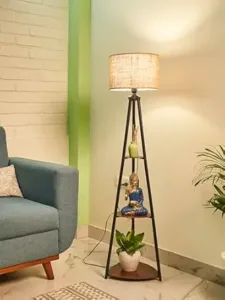
For More Insights about Interior Design Industry FOLLOW US
The Role of Environment in Interior Design for Homes
Creating a harmonious and functional living space is at the core of interior design for homes. The environment plays a pivotal role in shaping how a home feels and functions, impacting everything from the mood of its occupants to its energy efficiency. With increasing awareness of sustainability and wellness, homeowners and designers alike are embracing strategies that integrate environmental considerations into interior design. This comprehensive approach not only enhances aesthetics but also promotes a healthier and more sustainable lifestyle.
Understanding the Environment in Interior Design for Homes
The “environment” in the context of interior design refers to both the natural and built surroundings. This includes natural light, air quality, temperature, and acoustics, as well as the cultural and social atmosphere of the space. Incorporating environmental elements into the design process ensures that homes are not only visually appealing but also aligned with the needs and preferences of their inhabitants.
Key aspects to consider when designing a home with the environment in mind include:
- Natural Elements: Leveraging sunlight, incorporating plants, and using natural materials.
- Sustainability: Choosing eco-friendly materials and energy-efficient systems.
- Well-being: Creating spaces that promote physical and mental health.
The Importance of Natural Light
Natural light is one of the most crucial environmental factors in interior design for homes. It not only reduces the need for artificial lighting but also positively impacts mood and productivity. Large windows, skylights, and open floor plans can maximize the flow of natural light throughout a home.
For example, strategically placing mirrors can amplify light in darker areas, while sheer curtains allow sunlight to filter through without sacrificing privacy. Designers also consider the orientation of the home to ensure that living spaces receive optimal sunlight during different times of the day.
Sustainable Materials and Practices
Sustainability is a growing priority in interior design for homes. Using eco-friendly materials such as reclaimed wood, bamboo, cork, and recycled metals reduces the environmental footprint of a home. Additionally, low-VOC (volatile organic compound) paints and finishes improve indoor air quality, creating a healthier environment for residents.
Upcycling and repurposing furniture is another way to embrace sustainability. Vintage or second-hand pieces can be refurbished to align with modern aesthetics, adding character and reducing waste. This approach not only supports environmental goals but also allows for unique, personalized designs.
Incorporating Biophilic Design
Biophilic interior design for home emphasizes the connection between humans and nature, making it an essential consideration in interior design for homes. Integrating natural elements like indoor plants, water features, and wooden accents fosters a sense of tranquility and well-being.
Living walls or vertical gardens are becoming popular for their aesthetic appeal and air-purifying qualities. Even simple additions like potted plants or nature-inspired artwork can enhance the environmental harmony of a space.
Energy Efficiency and Smart Design
Energy efficiency is a key aspect of environmentally conscious interior design for homes. Proper insulation, energy-efficient windows, and appliances help reduce energy consumption and lower utility bills. LED lighting is another eco-friendly option, offering longevity and reduced power usage compared to traditional bulbs.
Smart home technology further supports energy efficiency. Programmable thermostats, automated lighting systems, and energy monitors allow homeowners to optimize energy use, contributing to a greener environment.
Designing for Air Quality
Air quality is an often-overlooked component of interior design for homes. Poor indoor air can lead to various health issues, making it essential to choose materials and systems that support clean air.
Using air-purifying plants, installing proper ventilation systems, and avoiding synthetic materials that emit harmful chemicals are effective strategies. Designers also prioritize non-toxic finishes and natural fibers like cotton, wool, and linen for upholstery and textiles.
Balancing Aesthetics and Functionality
A successful home interior balances aesthetics with functionality. While the environment influences design choices, it’s essential to create spaces that meet the practical needs of the household. For instance, multi-purpose furniture and adaptable layouts can maximize usability without compromising style.
Minimalist designs often align well with environmental principles, as they emphasize simplicity and intentionality. Decluttering and organizing spaces can make homes feel more spacious and peaceful while reducing waste.
Color Psychology and the Environment
Colors play a significant role in interior design for homes, influencing emotions and perceptions. Earth tones, such as greens, browns, and beiges, create a soothing and grounded atmosphere, while blues evoke a sense of calmness. Designers often draw inspiration from natural landscapes to create color palettes that reflect environmental harmony.
For a vibrant and energetic space, accents in yellows or oranges can mimic the warmth of sunlight. Neutral backdrops with pops of natural colors allow for flexibility and adaptability in design.
Cultural and Social Considerations
The environment also includes cultural and social dimensions, which shape the design of homes. Incorporating locally sourced materials and traditional craftsmanship not only supports the local economy but also adds authenticity and character to the space.
Social dynamics, such as family size and lifestyle preferences, influence the layout and functionality of a home. Open-concept designs foster interaction and connection, while private spaces ensure personal comfort.
The Role of Technology
Technology has revolutionized interior design for homes, enabling environmentally friendly solutions. Virtual design tools allow for accurate planning, reducing material waste during renovations. Additionally, 3D printing offers sustainable options for custom furniture and decor.
Smart systems integrated into homes also enhance environmental sustainability. For instance, lighting that adjusts based on natural light levels or appliances that sync with renewable energy sources contributes to a greener lifestyle.
Challenges in Environmental Interior Design for Homes
While designing with the environment in mind has numerous benefits, it also presents challenges. Eco-friendly materials can sometimes be more expensive, and balancing sustainability with budget constraints requires careful planning.
Additionally, integrating modern environmental technologies into older homes may require significant retrofitting. However, these challenges can be addressed through innovative solutions and collaboration with skilled professionals.
The Future of Environmentally Conscious Interior Design
The future of interior design for homes lies in deeper integration of environmental principles. As technology advances, homes will become increasingly self-sufficient, harnessing renewable energy and reducing reliance on external resources.
Designers will continue to push boundaries, creating spaces that are not only beautiful and functional but also aligned with the planet’s needs. From zero-waste designs to fully automated smart homes, the possibilities are vast.
The environment plays a critical role in shaping the principles and practices of interior design for homes. By incorporating natural elements, prioritizing sustainability, and leveraging technology, designers can create spaces that promote well-being and respect the planet. Homeowners, too, have a vital role in embracing these principles, transforming their living spaces into havens of comfort and sustainability. As the demand for eco-friendly interior for home solutions grows, the synergy between design and the environment will continue to evolve, shaping the future of how we live and interact with our surroundings.

About author


Add comment