
10 Expert Tips for Choosing the Right Color Palette for Your Home
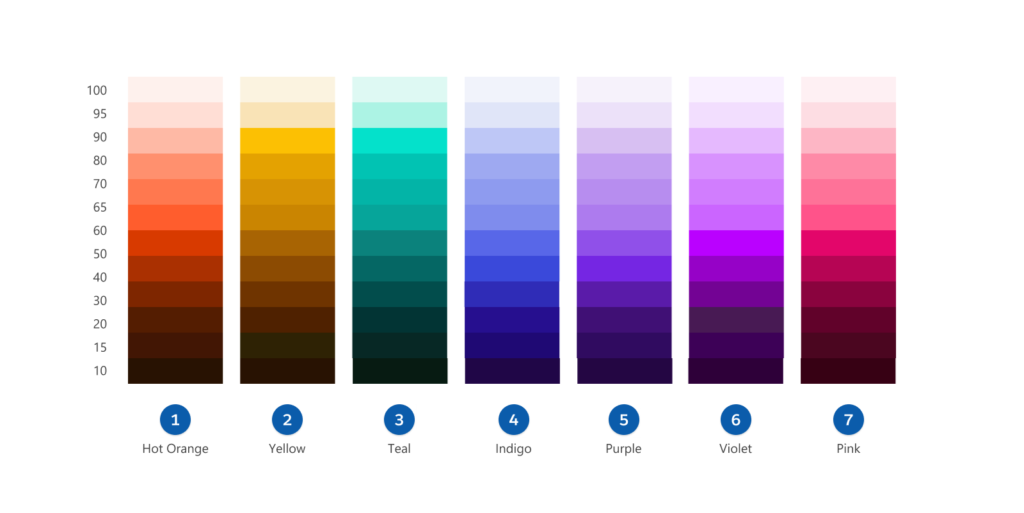
Choosing the right color palette for your home can feel like an overwhelming task, but it doesn’t have to be. Colors play a crucial role in defining the mood, personality, and harmony of your living spaces. Whether you’re refreshing a single room or reimagining your entire home, selecting a cohesive color palette can make all the difference. In this guide, we’ll share 10 expert tips to help you choose the perfect color scheme with confidence.
1. Start with Inspiration
Begin by gathering inspiration. Browse home decor magazines, Pinterest boards, or even your favorite Instagram accounts. Pay attention to the color combinations that catch your eye. You might find yourself drawn to neutral palettes with pops of color palette or bold, vibrant themes. Having a visual reference can help guide your decision-making and provide clarity.
Consider creating a mood board by combining images, fabric swatches, and paint samples. A tangible representation of your inspiration can help solidify your vision and make it easier to communicate your ideas to others involved in the design process.
2. Understand the Basics of Color Palette Theory
Familiarizing yourself with basic color palette theory can be a game-changer. The color wheel—which consists of primary, secondary, and tertiary colors—is a great tool for identifying complementary, analogous, and monochromatic color schemes. Complementary colors (those opposite each other on the wheel) create high contrast, while analogous colors (those next to each other) provide a harmonious look.
Dive deeper into concepts like warm versus cool tones. Warm tones (reds, oranges, yellows) bring energy and vibrancy, while cool tones (blues, greens, purples) promote calmness and relaxation. Understanding these nuances will help you align your choices with the ambiance you wish to create.
3. Consider the Mood You Want to Create
Each room in your home serves a different purpose, and the colors you choose can influence the mood. For example:
- Living rooms: Warm neutrals, like beige or taupe, create a cozy and inviting atmosphere.
- Bedrooms: Cool colors, such as soft blues or greens, promote relaxation and tranquility.
- Kitchens: Bright colors like yellow or white can make the space feel fresh and lively.
- Offices: Earth tones or muted greens can enhance focus and productivity.
Don’t shy away from unconventional choices if they resonate with you. For instance, a bold, dark color palette like deep teal can make a dining room feel sophisticated and intimate, while pastel shades can make a bathroom feel spa-like.
4. Evaluate Your Existing Elements
Take stock of your furniture, flooring, and any permanent fixtures. These elements can serve as a starting point for your color palette. If you have a statement piece, such as a bold sofa or a patterned rug, use its colors to inform your overall scheme. Matching or complementing existing elements ensures a cohesive look.
For homes with open-concept layouts, using consistent colors across shared spaces can tie everything together. However, subtle variations—such as lighter shades for a dining area and darker shades for a living area—can create distinct zones without clashing.
5. Choose a Dominant Color
Select one dominant color to serve as the foundation of your color palette. This color palette will take up the most visual space and set the tone for the room. Once you’ve chosen your dominant color palette, identify one or two accent colors to complement it. For example, a dominant navy blue might pair beautifully with gold and white accents.
When selecting your dominant color palette, consider its psychological impact. For instance, shades of green are known to promote balance and rejuvenation, while shades of orange evoke energy and enthusiasm. Incorporating these insights can elevate the experience of your space.
6. Test Colors in Natural Light
Lighting plays a huge role in how colors appear in your home. A color that looks perfect in the store might appear completely different under your lighting conditions. Before committing to a shade, test paint samples on your walls and observe how they look at different times of the day. Natural light, in particular, can drastically impact the appearance of colors.
Artificial lighting also matters. Warm white bulbs can enhance earthy tones, while cool white lighting might highlight blues and grays. It’s essential to test under both natural and artificial conditions to ensure your chosen colors meet your expectations.
7. Stick to the 60-30-10 Rule
The 60-30-10 rule is a tried-and-true interior design principle that helps create balanced and visually appealing spaces. Here’s how it works:
- 60%: Dominant color (walls, large furniture pieces)
- 30%: Secondary color (upholstery, curtains, rugs)
- 10%: Accent color (pillows, artwork, decorative objects)
This formula ensures that your color palette feels intentional and well-proportioned. Experiment with textures within each category to add variety. For instance, a plush sofa in your secondary color can pair beautifully with sleek, metallic accents in your chosen 10%.
8. Don’t Forget About Texture and Finish
The finish of your paint can influence how the color appears. Glossy finishes reflect light and can make colors seem brighter, while matte finishes create a softer, more subdued look. Textures—from wooden furniture to velvet cushions—also add depth and dimension, enhancing the overall effect of your color palette.
Consider layering different textures within a room. For example, pair a matte-finish wall with glossy decor pieces or combine rough-textured textiles with smooth surfaces like glass or metal. This approach can add richness to your design without introducing additional colors.
9. Think About Flow Between Rooms
If you’re designing multiple rooms, consider how the colors will flow from one space to the next. Using a consistent palette throughout your home can create a sense of unity and cohesion. This doesn’t mean every room has to look identical; instead, use variations of your chosen colors to maintain harmony.
For example, a soft gray might dominate your living room while appearing as an accent color in your kitchen. Similarly, a bold accent color from one room can reappear in small doses in other areas, creating subtle visual connections.
10. Trust Your Instincts
At the end of the day, your home should reflect your personal style and taste. While it’s great to follow expert advice and design principles, don’t be afraid to trust your instincts. If a particular color makes you happy, find a way to incorporate it into your space.
Personalization is key. Don’t hesitate to mix unconventional pairings if they bring joy. For instance, pairing mustard yellow with a rich plum might not follow traditional rules but can result in a vibrant, personality-filled room.
Bonus Tip: Incorporate Seasonal Flexibility
If you love changing things up, consider designing your color palette with seasonal flexibility in mind. Use neutral walls and furniture as a backdrop, and switch out accessories like throw pillows, curtains, and artwork to reflect the changing seasons. This approach allows you to refresh your home’s look without committing to a full redesign.
Final Thoughts
Choosing the right color palette for your home is an exciting opportunity to express yourself and enhance your living spaces. By following these 10 tips, you can create a harmonious and visually stunning environment that feels uniquely yours. Remember, there’s no right or wrong when it comes to personal taste—just colors that make your home feel like home.
With a thoughtful approach and these expert insights, you’ll be well on your way to crafting a home that’s as beautiful as it is functional. Enjoy the process and let your creativity shine!
Master the Art of Interior Design with Our Comprehensive Course
Are you passionate about transforming spaces and creating stunning interiors? Our Interior Design Course is your gateway to a rewarding and creative career. Designed for beginners and aspiring professionals alike, this course covers everything you need to know—from mastering color theory and space planning to understanding lighting and furniture placement. You’ll learn the secrets of blending style and functionality, ensuring your designs are not only beautiful but also practical.
Led by industry experts, our program combines hands-on projects with real-world case studies to give you the confidence and skills to thrive in the competitive world of interior design. Whether you dream of designing cozy homes, luxurious hotels, or innovative commercial spaces, this course will provide the tools and inspiration to bring your vision to life.
By enrolling, you’ll gain access to exclusive resources, mentorship opportunities, and a supportive community of like-minded creatives. Don’t wait to turn your passion into a profession. Join us today and start your journey toward becoming a sought-after interior designer. Elevate your creativity and unlock endless possibilities!
Follow for more : https://hopesnheights.com
When it comes to designing your home, one of the most exciting aspects is choosing a color palette. A thoughtfully chosen color palette can transform any space, creating an atmosphere that reflects your personality, style, and taste. While selecting colors might seem like a straightforward task, there are countless ways to explore and implement them in innovative ways. Here, we dive into 10 creative ways to use a color palette in your home and make your spaces truly unique.
1. Create Focal Points
A bold or contrasting color can serve as a focal point in any room. Use your color palette to highlight architectural details, such as a fireplace, an accent wall, or even a ceiling. For instance, if your color palette includes shades of blue, painting a single wall navy can anchor the space while allowing the lighter hues to complement the surrounding decor.
2. Layering Textiles
Incorporate your color palette through layered textiles like rugs, curtains, and cushions. This approach allows for versatility and texture in your design. For example, a neutral beige palette can come alive with accent cushions in burnt orange or teal, adding warmth and personality without overwhelming the room.
3. Experiment with Color Blocking
Color blocking is a modern and eye-catching technique that involves using solid blocks of color within a space. This could be done by painting geometric shapes on walls or combining colorful furniture pieces. If your color palette includes vibrant tones like mustard yellow and emerald green, try pairing these shades in unexpected ways to make a bold statement.
4. Customize Furniture Finishes
Your color palette isn’t limited to walls and fabrics. Customizing furniture finishes can help incorporate your chosen hues in unique ways. Consider repainting an old cabinet in a primary shade from your palette or upholstering chairs in complementary tones. This approach gives your furniture a personalized touch and integrates it seamlessly into the overall design.
5. Use Artwork as Inspiration
Artwork can be both a source of inspiration and a way to emphasize your color palette. Select pieces that reflect your chosen hues, or use your existing art to guide your palette decisions. For instance, a vibrant painting with shades of pink, orange, and gold could inspire a room’s entire design, tying together furniture, textiles, and accents.
6. Blend Indoor and Outdoor Spaces
Extend your interior color palette to outdoor spaces for a cohesive and harmonious design. If your living room features a cool-toned palette of grays and blues, consider outdoor furniture cushions or planters in similar shades. This connection between indoor and outdoor areas creates a seamless flow.
7. Incorporate Patterns and Prints
Patterns and prints are fantastic for adding depth to your color palette. From wallpaper and tiles to throw blankets and lampshades, patterned items can introduce additional shades while maintaining a cohesive look. For example, a floral print in your chosen palette can subtly introduce softer tones or intricate designs.
8. Change Colors Seasonally
A flexible color palette allows you to refresh your home throughout the year. Keep your foundational colors neutral and swap out accessories like pillows, table linens, and art to reflect the seasons. Warm tones like reds and oranges can make a space feel cozy in winter, while pastel or tropical hues are perfect for spring and summer.
9. Play with Lighting
Lighting significantly impacts how a color palette is perceived. Use your chosen palette to experiment with different lighting solutions, such as tinted bulbs or colored LED strips. A warm yellow light can enhance earthy tones, while cool lighting might emphasize blues and whites, transforming the mood of your space.
10. Highlight Natural Elements
Integrate natural materials, such as wood, stone, or plants, to complement your color palette. A warm palette with earthy reds and browns pairs beautifully with wooden furniture and terracotta accents, while a cool palette of greens and whites can be enhanced with lush greenery and marble textures.
Final Thoughts
Using a color palette creatively allows you to personalize your home and make every room feel intentional and inviting. By exploring these 10 strategies, you can maximize the impact of your chosen hues and create spaces that are both functional and visually stunning. Let your imagination guide you, and don’t hesitate to take bold steps in bringing your vision to life!
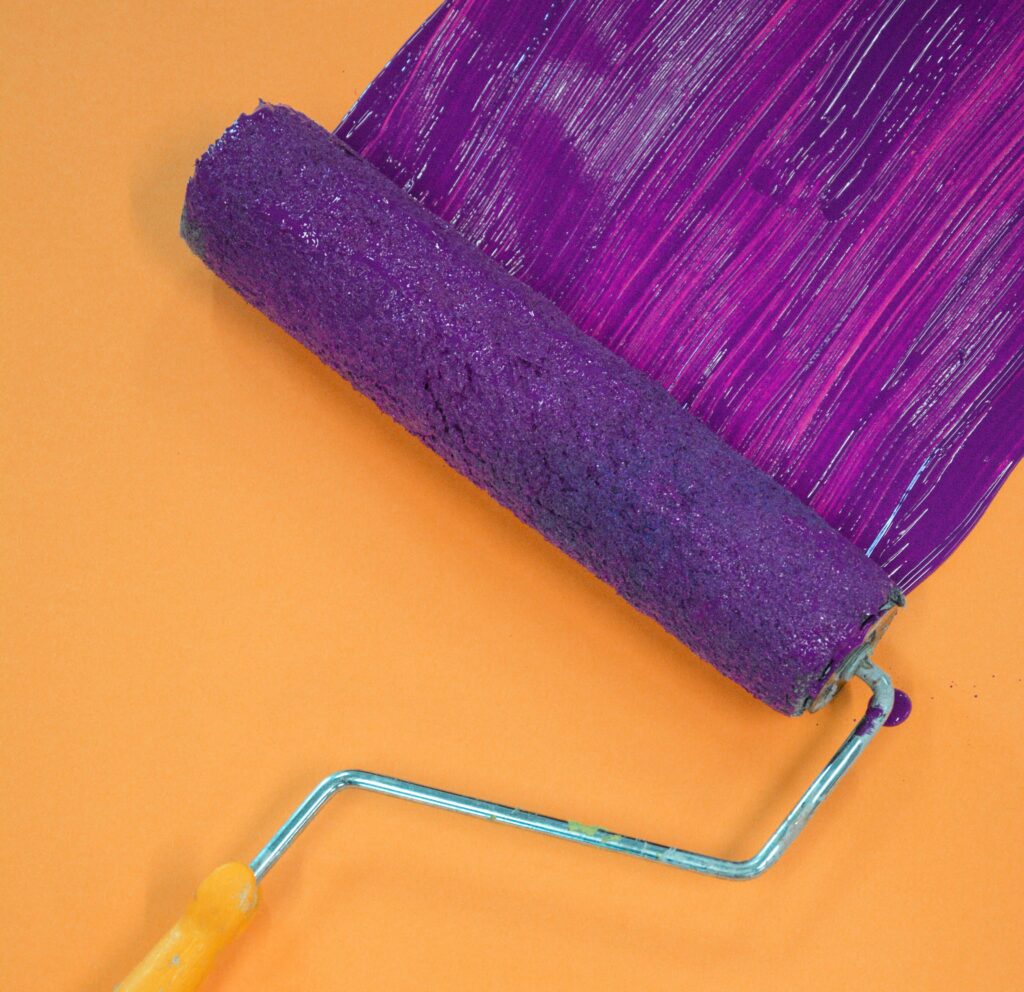
Click here for color palette pinterest : https://in.pinterest.com/theweddingasle/colour-palette/
How We Help Customers Choose the Perfect Color Palette
At Hopes ‘N’ Heights , we understand that choosing the right color palette for your home is a deeply personal and sometimes challenging decision. Our mission is to make this process seamless, enjoyable, and tailored to your unique vision. Here’s how we guide our customers through the art of color selection:
Understanding Your Style and Needs
The journey begins with understanding you. Our team conducts a comprehensive consultation to learn about your lifestyle, preferences, and the functionality of your spaces. Whether you prefer a bold, contemporary look or a timeless, classic aesthetic, we take the time to discover what makes your style unique. This personalized approach ensures that the chosen color palette reflects not just trends but your personality.
Incorporating the Latest Trends
We stay ahead of the curve by keeping tabs on the latest interior design trends and innovations. While we prioritize your preferences, our designers offer insights into trending shades, finishes, and techniques. From soothing pastels to dramatic dark tones, we’ll suggest ways to incorporate fresh ideas into your home while maintaining a timeless appeal.
Leveraging Color Psychology
Colors influence emotions, productivity, and relaxation. Our experts consider the psychology behind every hue to ensure your spaces evoke the desired mood. For instance, cool blues and greens create a serene environment, while warm yellows and oranges foster energy and creativity. This attention to detail helps us curate a palette that enhances the atmosphere of every room.
Customizing for Each Space
Each room in your home has a distinct purpose, and our color recommendations reflect this diversity. For living areas, we might suggest warm neutrals that encourage connection and comfort. For bedrooms, soothing tones like soft lavender or muted gray are popular choices to promote relaxation. Kitchens benefit from clean and vibrant shades that energize the space, while home offices thrive on grounding earth tones to boost focus.
Exploring Materials and Textures
Beyond paint colors, we consider how different materials and textures interact with your color palette. Whether it’s pairing a bold wall color with natural wood finishes or coordinating textiles with metallic accents, our holistic approach ensures a cohesive and polished design.
Utilizing Advanced Tools
To help you visualize your dream spaces, we use advanced design tools and virtual renderings. These technologies allow you to see how various color combinations will look in your rooms, providing confidence before any final decisions are made. With this approach, you can experiment with different palettes risk-free.
Collaborative Decision-Making
Your input is invaluable throughout the process. We encourage open communication and collaboration, making adjustments based on your feedback at every stage. This ensures that the final color palette aligns perfectly with your vision and expectations.



About author


Add comment