
10 Ultimate Guide to Interior Design Course: Benefits, Uses, Top Colleges, and Future Prospects

Why Pursue an Interior Design Course?
Interior design courses are gateways to creativity, innovation, and rewarding career opportunities. If you’re considering a career in design or simply want to enhance your skills, these courses can be a transformative experience.
What Is Interior Design?
Interior design combines aesthetics and functionality to create spaces that are both beautiful and practical. From residential homes to commercial buildings, interior designers play a crucial role in shaping environments that meet diverse needs and preferences.
The Top 10 Benefits of an Interior Design Course
1. Develop a Strong Creative Foundation
Interior design courses offer a structured approach to understanding color theory, spatial planning, and materials. You’ll learn to harness your creativity effectively.
2. Learn Practical Skills for Real-World Applications
From CAD software training to understanding building codes, courses equip you with technical skills essential for executing projects seamlessly.
3. Gain Industry Insights and Trends
Stay ahead by learning about the latest trends in sustainable design, smart home technology, and innovative materials.
4. Expand Your Career Opportunities
Interior design qualifications open doors to diverse career paths—from residential and commercial design to set designing for films.
5. Build a Professional Network
Collaborating with peers and instructors helps you establish valuable industry connections.
6. Master Problem-Solving and Project Management
Learn to tackle challenges like budget constraints, space limitations, and client preferences with confidence.
7. Enhance Your Portfolio
Courses provide hands-on projects that help you build a compelling portfolio to showcase your skills to clients and employers.
8. Increase Earning Potential
Skilled designers with formal training often command higher salaries and attract premium clients.
9. Boost Your Confidence and Credibility
Formal education reassures clients and employers of your professionalism and competence.
10. Unleash Your Entrepreneurial Spirit
With the right skills and credentials, you can start your own design consultancy or freelance practice.
Why Now Is the Best Time to Enroll
With growing emphasis on personalized spaces and sustainable living, interior design is a field brimming with opportunities.
Top Institutions for Interior Design Courses
Choosing the right institution can make all the difference. Here are some top colleges:
India
- National Institute of Design (NID): Known for its comprehensive design programs.
- CEPT University: Offers specialized courses in interior and furniture design.
International
Royal College of Art, UK: Focuses on cutting-edge design research and practices.
Parsons School of Design, USA: Renowned for its innovative approach to interior design.
Interior design is more than just arranging furniture or picking paint colors; it’s about creating spaces that are functional, aesthetically pleasing, and aligned with the needs of users. With the demand for professional interior designers skyrocketing, pursuing an interior design course is an excellent decision for anyone passionate about design and creativity. In this comprehensive guide, we delve into the benefits of interior design courses, their applications, top colleges offering such programs, the future of the industry, and salary prospects.
What Is an Interior Design Course?
An interior design course provides students with the skills and knowledge to design functional and appealing interior spaces. These programs cover a wide range of topics, including:
- Design Principles: Understanding balance, harmony, and proportion.
- Color Theory: Learning how colors impact mood and space perception.
- Space Planning: Mastering the art of maximizing functionality in any area.
- Sustainable Design: Exploring eco-friendly practices and materials.
- Technical Skills: Proficiency in design software like AutoCAD, SketchUp, and 3D rendering tools.
Interior design courses are offered at various levels, from diplomas and certifications to bachelor’s and master’s degrees, catering to different career aspirations.
Benefits of Pursuing an Interior Design Course
1. Develop a Strong Creative Foundation
An interior design course hones your creative abilities by teaching you to think outside the box while solving design challenges. You’ll learn to transform ordinary spaces into extraordinary environments.
2. Gain Practical Knowledge
Through hands-on projects and internships, students acquire real-world experience. This prepares them to meet client demands effectively.
3. Expand Career Opportunities
A formal interior design course opens doors to various roles, including:
- Residential Designer
- Commercial Designer
- Set Designer for Films and Theatre
- Furniture Designer
- Sustainable Design Consultant
4. Stay Updated with Industry Trends
Courses keep you abreast of the latest trends, such as biophilic design, smart homes, and modular furniture, ensuring your skills remain relevant.
5. Networking Opportunities
Studying interior design allows you to connect with industry professionals, fellow students, and faculty who can be instrumental in your career.
6. Boost Confidence and Credibility
Having a degree or certification from a reputed institution enhances your credibility, making clients and employers trust your expertise.
7. High Earning Potential
Trained professionals often earn significantly more than self-taught designers. This makes pursuing a course a worthwhile investment.
Applications of Interior Design Course Skills
Interior design skills are versatile and applicable in numerous fields:
- Residential Projects: Creating personalized living spaces tailored to the client’s needs.
- Commercial Spaces: Designing offices, retail outlets, and hospitality venues to optimize functionality and appeal.
- Event Design: Crafting immersive environments for weddings, exhibitions, and corporate events.
- Real Estate: Enhancing property value through professional staging and design.
- Sustainable Living: Promoting eco-friendly solutions like energy-efficient layouts and recycled materials.
Top Colleges for Interior Design Courses
Choosing the right college is crucial for building a successful career. Here are some renowned institutions offering exceptional interior design programs:
India
- National Institute of Design (NID)
- Location: Ahmedabad, India
- Program: Bachelor’s and Master’s in Interior and Furniture Design
- National Institute of Fashion Technology (NIFT)
- Location: Various cities in India
- Program: Interior Design Specializations
- CEPT University
- Location: Ahmedabad, India
- Program: Bachelor of Interior Design
International
- Rhode Island School of Design (RISD)
- Location: Rhode Island, USA
- Program: Bachelor’s in Interior Architecture
- Parsons School of Design
- Location: New York, USA
- Program: Interior Design (Certificate and Degree programs)
- University of the Arts London (UAL)
- Location: London, UK
- Program: BA Interior and Spatial Design
The Future of the Interior Design Industry
The interior design industry is poised for significant growth, driven by urbanization, rising incomes, and the demand for sustainable spaces. According to market research, the global interior design course market is projected to grow at a Compound Annual Growth Rate (CAGR) of 8% from 2023 to 2030.
Key Trends Shaping the Future:
- Smart Homes: Integration of technology in design for convenience and energy efficiency.
- Sustainability: Increased focus on green design to minimize environmental impact.
- Remote Workspaces: Designing homes to include functional and aesthetic work areas.
- Minimalist Aesthetics: Popularity of clutter-free, functional designs.
Salary Prospects after Interior Design Course
Interior design offers lucrative earning opportunities, which vary based on experience, location, and specialization. Here’s an overview:
India
- Entry-Level Designer: ₹3-5 lakh per annum
- Mid-Level Designer: ₹6-10 lakh per annum
- Senior Designer: ₹12-20 lakh per annum
International
- USA: $45,000 – $100,000 annually
- UK: £25,000 – £60,000 annually
- Australia: AUD 50,000 – AUD 120,000 annually
Freelancers and consultants may earn significantly more depending on their portfolio and client base.
Conclusion
An interior design course is not just a stepping stone to a creative career but also an opportunity to make a lasting impact on how people interact with their spaces. With benefits ranging from skill development and career growth to attractive salaries, this field is a promising choice for anyone passionate about design.
The future of interior design course is bright, driven by innovative technologies and the growing demand for sustainable solutions. Whether you’re a student, a professional seeking a career switch, or a design enthusiast, now is the perfect time to embark on this exciting journey.
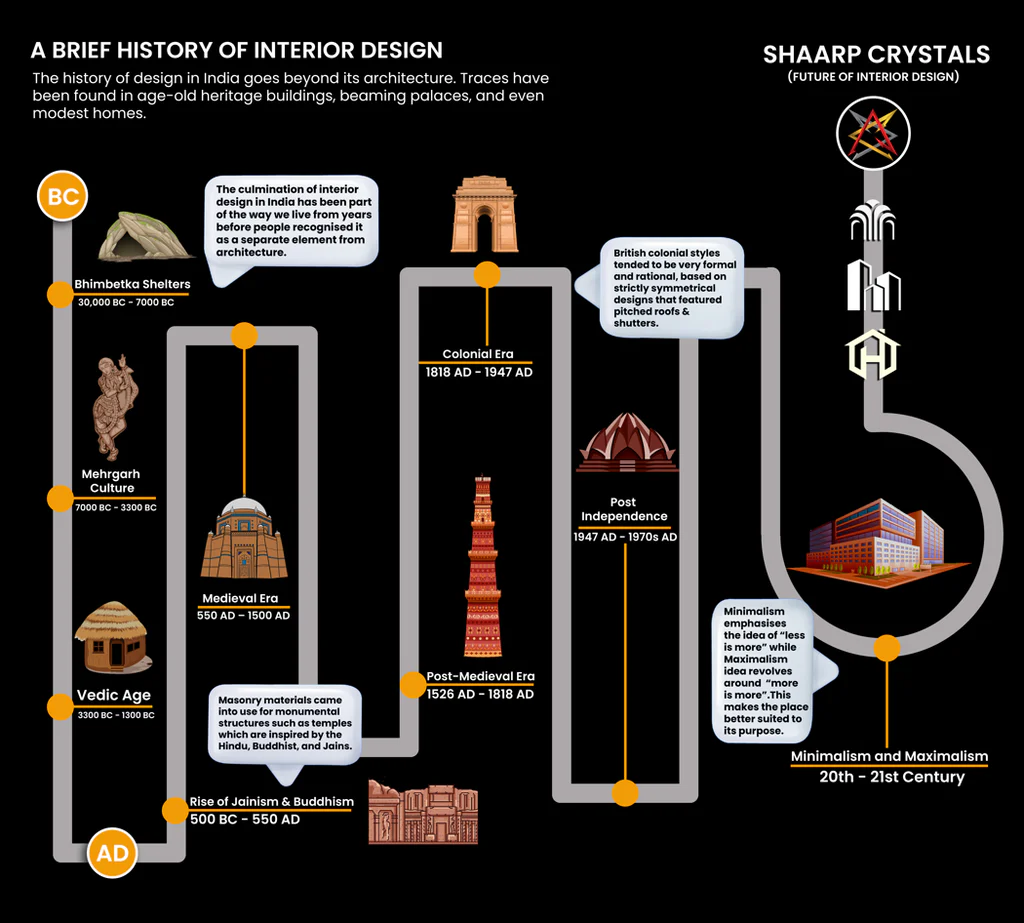
The Evolution of Interior Design
Interior design has a rich history that spans centuries. From the opulent designs of ancient Egyptian temples to the minimalist aesthetics of modern Scandinavian homes, the discipline has constantly evolved to reflect cultural and societal changes. By studying this evolution, students of interior design courses can gain a deeper appreciation of the art form and learn how to draw inspiration from different periods.
Key Historical Movements in Interior Design
- Renaissance: Characterized by intricate details and symmetry, this era brought grandeur into private and public spaces.
- Victorian Era: Known for its ornate furniture and heavy draperies, this period emphasized luxury and sophistication.
- Art Deco: Emerging in the 1920s, Art Deco introduced bold geometric shapes and vibrant colors.
- Mid-Century Modern: Celebrated for its clean lines and organic forms, this style remains popular today.
- Contemporary Design: Focused on simplicity, functionality, and sustainability, contemporary interiors prioritize minimalism and eco-friendly materials.
Specialized Areas of Interior Design
As the field of interior design course expands, various specializations have emerged to cater to specific client needs and industry demands. Some of these include:
1. Healthcare Design
Designing hospitals and clinics requires a deep understanding of how environments affect patient recovery and staff efficiency. This specialization emphasizes ergonomic furniture, soothing color palettes, and optimized layouts.
2. Hospitality Design
From luxurious resorts to cozy cafes, hospitality design focuses on creating memorable guest experiences. Designers in this sector prioritize ambiance, functionality, and branding.
3. Retail Design
Retail spaces need to be visually appealing and strategically designed to encourage sales. Professionals in this niche focus on lighting, layout, and customer flow.
4. Exhibition Design
This specialization involves designing temporary spaces for events, museums, or trade shows. It combines creativity with logistical planning to create impactful displays.
https://www.youtube.com/@TheInteriorCarpentryLab
The Role of Technology in Interior Design Course
Technology has revolutionized the way designers approach their projects. From conceptualization to execution, tools like 3D modeling software, virtual reality (VR), and augmented reality (AR) have made it easier to visualize and implement ideas.
Key Technological Advancements:
- 3D Modeling Software: Programs like AutoCAD and SketchUp allow designers to create detailed renderings of their projects.
- Virtual Reality (VR): VR enables clients to take immersive walkthroughs of proposed designs before construction begins.
- Smart Home Technology: Integrating IoT devices into designs enhances functionality and convenience.
- AI-Powered Tools: Artificial intelligence helps designers analyze trends, optimize layouts, and even generate preliminary designs.
Interior Design and Sustainability
Sustainability is no longer just a buzzword; it is a necessity. Interior designers play a crucial role in promoting eco-friendly practices by:
- Using recycled or upcycled materials.
- Incorporating energy-efficient lighting and appliances.
- Designing spaces that maximize natural light and ventilation.
- Promoting the use of non-toxic paints and finishes.
Certifications and Standards:
- LEED Certification: A globally recognized standard for sustainable buildings.
- WELL Building Standard: Focuses on human health and wellness in the built environment.
- BREEAM: An international standard for assessing the sustainability of infrastructure projects.
Career Growth and Global Opportunities
Interior design is a global industry with opportunities in various sectors. Whether you want to work in a bustling metropolis or a serene countryside, the possibilities are endless.
International Job Markets:
- United States: Home to top firms and high-paying roles, the U.S. offers lucrative opportunities for skilled designers.
- United Kingdom: Known for its rich design heritage, the UK is an excellent destination for professionals interested in historical and modern styles.
- Middle East: Rapid urbanization in cities like Dubai has created a high demand for interior designers.
- Asia: Countries like China and India are experiencing a design boom, offering diverse opportunities.
Enhancing Your Portfolio
A strong portfolio is essential for standing out in the competitive world of interior design. Here’s how you can build one:
- Diverse Projects: Include a mix of residential, commercial, and conceptual designs.
- Professional Photography: High-quality images can make your work look more appealing.
- Detailed Descriptions: Explain the rationale behind your designs and how they meet client needs.
- Client Testimonials: Positive feedback adds credibility to your portfolio.
Interior Design Education Beyond College
While formal education provides a strong foundation, continuous learning is vital. Consider the following options:
- Online interior design Courses: Platforms like Coursera and Udemy offer specialized courses on topics like sustainable design and advanced CAD techniques.
- Workshops and Seminars: Attend industry events to learn from experts and stay updated on trends.
- Certifications: Obtain certifications from organizations like the American Society of Interior Designers (ASID) or the International Interior Design Association (IIDA).
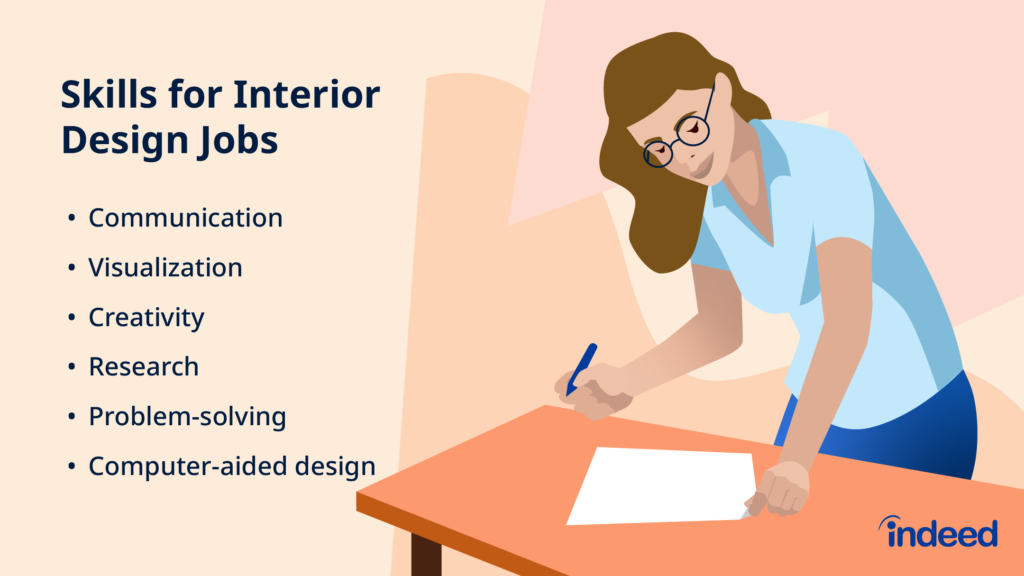
The Importance of Soft Skills in Interior Design
Technical skills alone won’t guarantee success. Interior designers must also excel in:
- Communication: Understanding client needs and effectively presenting ideas.
- Project Management: Handling budgets, timelines, and resources efficiently.
- Problem-Solving: Addressing unexpected challenges with creativity and composure.
- Collaboration: Working seamlessly with architects, contractors, and other stakeholders.
Click here to find your intitute of Interior Design Course – https://www.shiksha.com/design/interior-designing-chp
Visit our Site – https://hopesnheights.com
The global interior design market is projected to grow at a CAGR of 8% from 2023 to 2030, driven by urbanization, technological advancements, and the rising demand for sustainable solutions. As trends like smart homes and eco-friendly materials gain momentum, interior designers will play a pivotal role in shaping the future of living and working environments.
An interior design course is not just a step toward a fulfilling career but also an opportunity to impact people’s lives positively by creating spaces that resonate with their needs and aspirations. Whether you’re starting your journey or considering upskilling, the world of interior design course offers endless possibilities.
Top Multinational Companies for Interior Designers
Interior design is a thriving field that bridges creativity with functionality. As global industries expand their offices, retail spaces, and hospitality venues, the demand for skilled interior designers is skyrocketing. Working for a multinational corporation (MNC) can elevate your career, offering exposure to international projects, diverse cultures, and cutting-edge design practices. Here’s a detailed guide to some of the best MNCs to consider for a career in interior design.
Why Choose an MNC for Your Interior Design Course?
Multinational corporations offer unparalleled opportunities for growth and professional development. Here are a few reasons why working for an MNC can be a game-changer:
- Global Exposure: Work on projects in different countries and learn about various cultural and architectural styles.
- Cutting-Edge Technology: Access to advanced design tools and techniques.
- Collaborative Environment: Interact with diverse teams, including architects, engineers, and project managers.
- Career Growth: Opportunities for promotions, training programs, and skill development.
- Attractive Benefits: Competitive salaries, health insurance, and international travel opportunities.
Top MNCs for Interior Designers
1. Gensler
Gensler is a global powerhouse in architecture and design, renowned for its innovative approach to interior spaces. With offices in over 50 countries, Gensler’s projects range from corporate offices to hospitality venues.
- Why Work Here: Collaborative culture, focus on sustainability, and opportunities to work on iconic projects.
- Famous Projects: Shanghai Tower (China), Facebook Headquarters (USA).
2. HOK
HOK is another leading name in the design world, known for blending creativity with technology. Their interior design team focuses on creating human-centric environments.
- Why Work Here: Emphasis on innovation and a strong portfolio of corporate, healthcare, and educational spaces.
- Famous Projects: Mercedes-Benz Stadium (USA), King Abdullah Petroleum Studies and Research Center (Saudi Arabia).
3. Perkins&Will
This MNC specializes in sustainable and inclusive design. Perkins&Will’s commitment to community-driven projects makes it a rewarding place for interior designers.
- Why Work Here: Strong focus on sustainability and socially responsible design.
- Famous Projects: AstraZeneca Headquarters (UK), Duke University Hospital (USA).
4. IA Interior Architects
IA is the world’s largest architecture firm dedicated exclusively to interior design. The company focuses on creating workplace environments that inspire productivity and innovation.
- Why Work Here: Exclusive focus on interiors and a supportive work culture.
- Famous Projects: Slack Headquarters (USA), LinkedIn Offices (Singapore).
5. Foster + Partners
Known for its iconic architectural landmarks, Foster + Partners also excels in interior design, particularly for luxury residential and commercial projects.
- Why Work Here: Opportunities to work on prestigious and high-profile projects.
- Famous Projects: Apple Park (USA), Hearst Tower (USA).
6. CallisonRTKL
A subsidiary of Arcadis, CallisonRTKL is a leader in retail and hospitality design. Their innovative projects span the globe.
- Why Work Here: Creative freedom and focus on retail environments.
- Famous Projects: Dubai Mall (UAE), Ritz-Carlton Residences (Thailand).
Skills to Succeed in an MNC
To thrive in a multinational company, interior designers need a blend of technical expertise and soft skills. Key competencies include:
- Proficiency in Design Software: Tools like AutoCAD, SketchUp, and Revit.
- Cultural Sensitivity: Understanding and respecting global design preferences.
- Effective Communication: Presenting ideas clearly to diverse teams and clients.
- Project Management: Handling timelines, budgets, and resources efficiently.
- Adaptability: Thriving in a fast-paced, global environment.
Conclusion
Joining a multinational corporation as an interior designer can open doors to a fulfilling and lucrative career. Companies like Gensler, HOK, and Perkins&Will offer not just jobs but opportunities to shape iconic spaces worldwide. Whether you’re passionate about sustainable design, luxury interiors, or workplace innovation, these MNCs provide the perfect platform to showcase your talent and grow professionally.
Explore these companies, build a strong portfolio, and step into the global stage of interior design Course.

About author


Add comment