
10 Amazing Interior Designing Tips to Transform Your Space
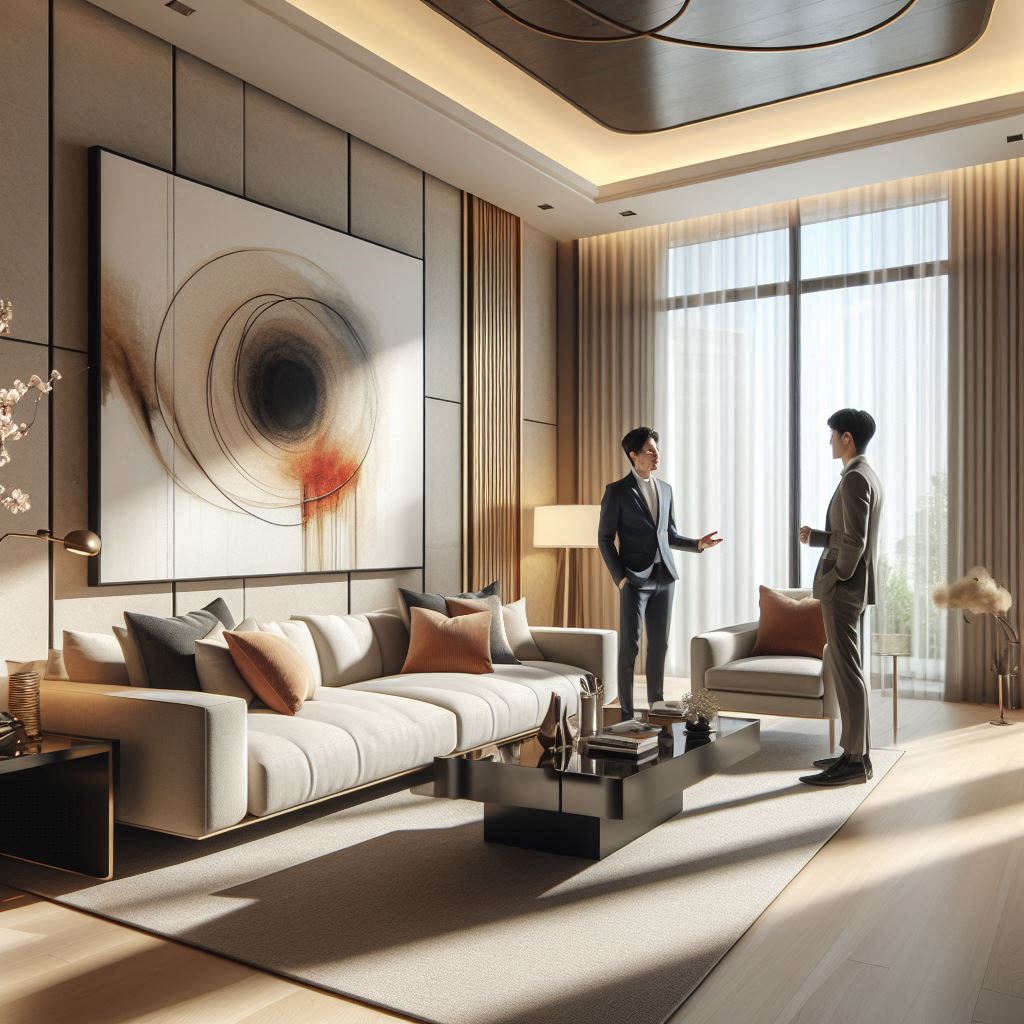
Modern living room showcasing interior designing with sleek furniture, neutral color palette, natural light, minimalist décor, cozy sofa, stylish coffee table, rug, indoor plants, and accent lighting in an open, elegant layout.
Interior designing is not just about decorating a room; it’s an art form that brings life to a space. It’s about creating an environment that is not only visually appealing but also functional, reflecting the personality and needs of those who inhabit it. Whether you’re designing a cozy home, a vibrant office, or a luxurious hotel, interior design plays a pivotal role in shaping our experiences and emotions.
Understanding Interior Designing
Interior designing combines creativity, technical expertise, and a deep understanding of space planning. It’s a balance between aesthetics and functionality. A well-designed interior ensures that every element, from furniture to lighting, aligns with the space’s purpose and the client’s preferences. It transforms a mundane area into a harmonious and inspiring haven.
Importance of Interior Designing
1. Enhances Functionality
A beautifully designed space is of little use if it’s not functional. Interior design optimizes space by planning layouts, ensuring ease of movement, and maximizing utility. For instance, a small apartment can feel spacious with clever storage solutions and multipurpose furniture.
2. Reflects Personality
Every space tells a story, and interior designers are storytellers. Your home, office, or retail space should resonate with your personality or brand identity. Through colors, textures, and furnishings, designers weave the narrative of who you are or what your business represents.
3. Improves Mood and Productivity
Well-lit, organized, and aesthetically pleasing interiors can uplift your mood and boost productivity. This is why corporate spaces are now focusing on designs that promote employee well-being, incorporating greenery, ergonomic furniture, and natural light.
4. Adds Value
Whether you’re selling a property or creating a commercial space, good interior design significantly enhances its value. A well-styled property attracts buyers and leaves lasting impressions.
Elements of Interior Design
To create a harmonious design, several elements must work in unison:
1. Space
Space is the foundation of any design. It includes the room’s dimensions, its layout, and the interplay between furniture and open areas. Designers must strike a balance between filling a space and leaving room for movement.
2. Color
Colors influence emotions and set the mood. Warm tones like red and yellow evoke energy, while cool shades like blue and green bring calmness. Choosing the right color palette is crucial for achieving the desired ambiance.
3. Lighting
Lighting transforms how a space is perceived. A combination of natural and artificial lighting can create a dynamic and inviting environment. Task lighting, ambient lighting, and accent lighting each serve specific purposes in design.
4. Furniture
Furniture is both functional and decorative. The choice of materials, textures, and styles can dictate the character of a room, whether it’s modern, rustic, or vintage.
5. Textures and Patterns
Texture adds depth, while patterns introduce visual interest. Combining various textures like smooth marble, soft fabrics, and rough wood creates a balanced and appealing aesthetic.
6. Proportion and Scale
The size of furniture, décor, and architectural elements should complement the room’s dimensions. Overcrowding a small space with large items can make it feel cramped, while a large room with tiny furnishings can feel empty.
Popular Interior Design Styles
Interior design styles have evolved over the years, catering to diverse tastes. Here are some popular trends:
1. Minimalism
This style focuses on simplicity and functionality, using clean lines, neutral colors, and minimal décor. It’s perfect for creating clutter-free, serene spaces.
2. Modern Design
Emphasizing sleek, straight lines and contemporary materials like glass and steel, modern interiors exude sophistication and elegance.
3. Bohemian
Bohemian style is all about expressing individuality. It incorporates vibrant colors, eclectic patterns, and layered textures, often with a touch of vintage.
4. Industrial
Inspired by factories and warehouses, this style features exposed brick walls, metal fixtures, and raw, unfinished materials.
5. Scandinavian
Known for its simplicity and functionality, Scandinavian design uses light colors, natural materials, and cozy accents.
Tips for Creating Stunning Interiors
- Start with a Vision: Understand the purpose of the space and your design preferences. Create mood boards to visualize ideas.
- Focus on Lighting: Natural light should be maximized, and artificial light layered to suit different times of day.
- Mix Textures: Combining smooth, rough, and soft textures adds richness to the space.
- Personalize: Include elements that hold personal significance, like family photos or heirloom furniture.
- Think Long-Term: Invest in timeless pieces rather than following fleeting trends.
The Role of Interior Designers in interior designing
Interior designers bridge the gap between your vision and its realization. They understand the nuances of spatial planning, materials, and aesthetics while staying within budget and timelines. Collaborating with an interior designer ensures that your space is both beautiful and practical.
Conclusion
Interior designing is more than just decorating a room; it’s a comprehensive approach to creating spaces that are visually captivating and functionally effective. Whether it’s your home, office, or a commercial setup, interior designing holds the power to redefine your experience with thoughtful design and expert execution.
External Resources:
Elle Decor: Top Interior Design Trends
5 Game-Changing Secrets to Unlock Knowledge About Interior Designing !!
https://hopesnheights.com/knowledge-about-interior-designing/
Psychology Today: Color Psychology
While the basics of interior designing lay a strong foundation for creating beautiful spaces, it’s the advanced techniques and thoughtful details that truly elevate the overall look and feel of your interiors. Whether you’re redesigning a single room or planning a full-scale renovation, these advanced tips will help you refine your interior designing approach and turn your space into a work of art.
1. Use Architectural Features to Your Advantage in Interior Designing
One of the most effective ways to create a unique space in interior designing is by enhancing the architectural features of the room. Whether it’s exposed brick, high ceilings, or a stunning fireplace, these elements should be highlighted and complemented by the right design choices. For example, choosing furniture that contrasts with the texture of exposed brick can add a layer of sophistication. If you have vaulted ceilings, consider using vertical lines or hanging art that draws the eye upwards, emphasizing the space’s height.
2. Layering Lighting for Different Ambiances in Interior Designing
Lighting plays an essential role in creating mood and ambiance within interior designing. While we touched on lighting earlier, it’s important to note the power of layering lighting in an interior designing project. Ambient lighting should be the primary source of illumination, but accent lighting and task lighting are essential for creating different moods in the space.
For example, install track lights to highlight artwork or architectural features. Use table lamps or sconces for softer, mood-setting illumination. Additionally, dimmer switches can be a game-changer, allowing you to control the brightness of the room based on the time of day or the desired mood. Experiment with different light temperatures – cool whites for a modern look and warm whites for a cozier, more intimate vibe.
3. The Power of Statement Pieces in Interior Designing
Incorporating statement pieces into your interior designing is an effective way to express your personality and add visual interest. These could be bold-colored furniture, unique sculptures, or oversized art pieces that become the focal point of the room. When done correctly, a statement piece can tie a whole room together, becoming the defining feature of the space.
For instance, a statement sofa with an unusual shape or color can become the centerpiece of a living room, setting the tone for the entire design. Similarly, a large mirror with an ornate frame can help create a sense of depth and visually expand a smaller room. Make sure the statement piece aligns with the room’s overall theme and doesn’t overwhelm other elements of the interior designing.
4. Smart Use of Mirrors in Interior Designing
Mirrors are a powerful tool in interior designing. They don’t just serve the practical function of helping us check our appearance; they can also transform the look of a room. Mirrors are particularly useful in small or dark spaces, as they can reflect light and create the illusion of a larger area. A large, decorative mirror placed across from a window can amplify natural light and make the room feel more expansive.
You can also experiment with the shape and style of the mirrors you use. Oval, rectangular, and circular mirrors all create different vibes and can enhance various design styles. Try to position mirrors to capture scenic views or art pieces, so they act as a focal point rather than just functional pieces in interior designing.
5. Mix High and Low-Price Furnishings in Interior Designing
Interior designing doesn’t have to be expensive to look stylish. While it’s tempting to fill your home with high-end furniture and décor, mixing high-quality, designer pieces with budget-friendly options can create a balanced and eclectic look. Opt for statement items such as designer sofas or bespoke art pieces while filling in the gaps with affordable finds, like vintage accessories, DIY projects, or mass-produced items that mimic high-end designs.
This approach not only saves money but also adds character and personality to your interior designing. For instance, pair a luxurious velvet couch with a handmade coffee table made from reclaimed wood. The juxtaposition between high-end and affordable items can give the room a more sophisticated, layered feel.
6. Add Texture with Fabrics and Textiles in Interior Designing
One of the most impactful ways to elevate your interior designing is by adding layers of texture. Textiles such as throws, cushions, rugs, and curtains can bring depth and comfort to your design. Mix and match materials like velvet, linen, wool, and leather to create contrast and visual interest.
For example, in a minimalist space, a plush velvet throw on a simple sofa can add warmth and tactile appeal. Likewise, mixing hard textures like wood and metal with soft textiles like cotton and wool can make the room feel cozy and inviting. The key to layering textures is to maintain a balance between rough, soft, shiny, and matte surfaces in your interior designing.
7. The Importance of Scale and Proportion in Interior Designing
An often-overlooked aspect of interior designing is the scale and proportion of furniture and décor. Large, bulky furniture in a small room can overwhelm the space, while tiny furniture in a spacious room can make the space feel empty and uninviting. It’s important to select furniture that is appropriately sized for the room and arranged in a way that maximizes both space and comfort.
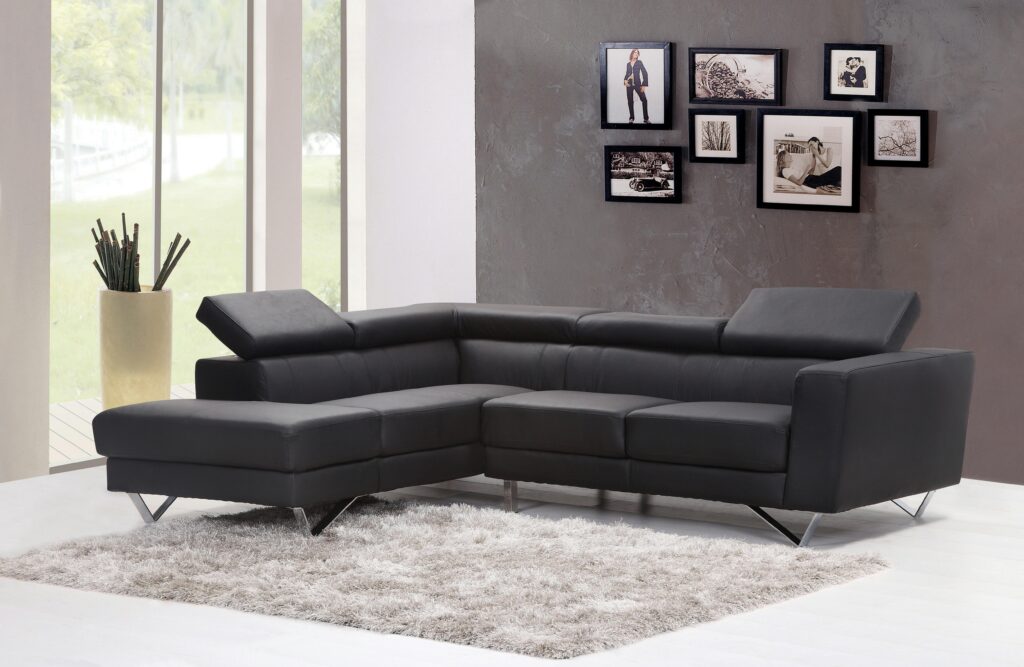
When buying new furniture or accessories for interior designing, keep in mind the balance between scale and proportion. For instance, a large sectional sofa might look stunning in a large living room but would overwhelm a small apartment. Consider the balance of the pieces in the room to ensure they don’t fight each other for attention in your interior designing.
8. Integrate Nature into Your Interior Designing
Biophilic design, the practice of incorporating elements of nature into interior designing, has become increasingly popular. It’s well-known that plants can enhance the air quality and mood within a space. Incorporating plants, flowers, and other natural elements such as wooden furniture or stone flooring can have a calming effect and help reconnect you with the outdoors.
Larger indoor plants like fiddle-leaf figs or palm trees can create an inviting, green environment, while small, delicate plants like succulents or orchids work well as subtle accents. Even a single plant placed in a corner can create a sense of tranquility in your interior designing. Consider the room’s light conditions when choosing plants – some require direct sunlight, while others thrive in shaded areas.
9. Focus on the Details in Interior Designing
The difference between an average room and an extraordinary one often lies in the details. Small touches like stylish cabinet handles, decorative trays, elegant vases, and unique picture frames can elevate the look of the room without overwhelming it. Look at every part of the room, from the baseboards to the lighting fixtures, and consider how small details can complement the overall design.
Paying attention to these finer details in interior designing can help personalize your space and make it feel more curated. A well-chosen vase on a coffee table or a piece of elegant wall art can make a subtle but significant impact in the overall interior designing of the room.
10. Create a Cohesive Color Scheme in Interior Designing
Color is an essential tool in interior designing. A cohesive color scheme ties the room together and provides a sense of harmony. While contrasting colors can work well in some designs, a unified palette can create a serene and inviting atmosphere. Start with a neutral base (white, grey, or beige) and build from there, incorporating accent colors that complement each other.
A cohesive palette doesn’t mean using the same colors everywhere – it’s about balance. Use a primary color for large elements like walls or furniture and accent colors for smaller accessories like cushions, lamps, or rugs. The overall effect should feel fluid and harmonious, creating a peaceful yet dynamic environment for your interior designing project.
Maximizing Functionality in Interior Designing
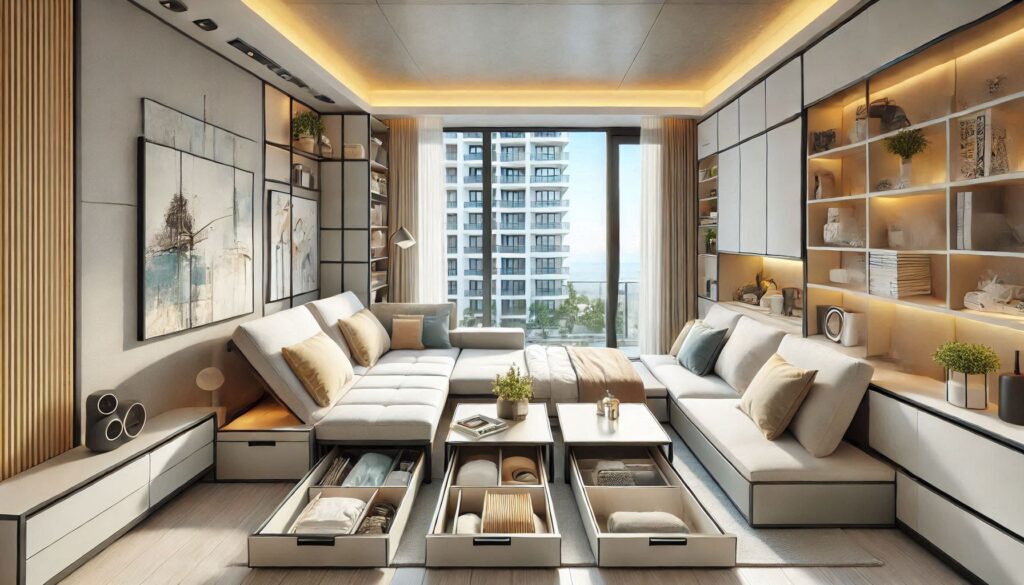
When it comes to interior designing, functionality is just as important as aesthetics. A well-designed space should not only be beautiful but also serve its purpose effectively. To achieve this, it’s essential to make thoughtful decisions about furniture placement, storage solutions, and how each element of the room contributes to daily living. For example, in smaller rooms, multi-functional furniture such as sofa beds or extendable dining tables can make the most of the available space. Consider built-in storage options like cabinets, shelves, and drawers that help reduce clutter and optimize the layout.
Additionally, functional interior designing involves creating zones within a room. This is particularly useful for open-plan spaces where defining different areas can add structure to the design. For instance, using rugs, lighting, or furniture arrangements can demarcate a seating area from a dining area or a workspace within a larger room. By focusing on both the form and function of the space, you create a design that is not only visually appealing but also highly practical for day-to-day use.
The Role of Color Psychology in Interior Designing
In interior designing, the color scheme you choose can have a profound impact on the mood and energy of a space. Different colors evoke different emotional responses, so it’s essential to understand the psychology behind color choices. For example, warm tones such as red, orange, and yellow can make a room feel cozy and inviting but can also be stimulating, making them suitable for active spaces like kitchens or living rooms. On the other hand, cool colors like blue, green, and lavender tend to have a calming effect, making them ideal for bedrooms or areas meant for relaxation.
Neutral colors, such as whites, greys, and browns, can serve as a great foundation for a design scheme, allowing accent colors to pop. In modern interior designing, there’s also a growing trend of using bold, contrasting color combinations to create a striking visual impact. By carefully selecting and pairing colors, you can tailor the atmosphere of your space to suit your lifestyle and personal preferences.
Emphasizing Sustainability in Interior Designing
Sustainability has become a key trend in interior designing as people become more conscious of the environmental impact of their choices. Sustainable interior designing focuses on using materials and furniture that are eco-friendly, energy-efficient, and durable. For example, opting for reclaimed wood for furniture, energy-efficient lighting, and natural fabrics such as organic cotton or linen can reduce your carbon footprint while still achieving a stylish look.
Incorporating plants into your design is another excellent way to make your space more sustainable. Not only do plants add natural beauty and improve air quality, but they also contribute to the overall wellness of the inhabitants. Additionally, choosing locally made furniture and decor supports the local economy and reduces the environmental cost of transportation.
Bringing Personal Style into Interior Designing
While professional interior designers can create beautiful spaces, the key to a truly unique design lies in adding personal touches. Interior designing should reflect the personality and interests of those who live in the space. One way to personalize a room is through the use of family heirlooms, vintage items, or artwork that has sentimental value. These pieces bring warmth and character to a space that mass-produced furniture simply cannot replicate.
Another way to infuse personal style into your interior designing is by incorporating custom-made furniture or accessories that align with your tastes. Whether it’s a hand-painted vase, a one-of-a-kind rug, or bespoke furniture pieces, these elements make the space feel uniquely yours. By balancing your personal style with professional design principles, you can create a home that is both functional and reflective of your individuality.
The Future of Interior Designing
As technology continues to evolve, interior designing will continue to adapt and innovate. Smart home technology, which integrates features such as automated lighting, heating, and security systems, is becoming increasingly popular in modern interior designing. These technologies not only improve comfort and convenience but can also make a home more energy-efficient.
Another trend gaining momentum is the use of virtual reality (VR) and augmented reality (AR) in interior designing. These tools allow homeowners and designers to visualize spaces before committing to design choices. With VR and AR, you can virtually walk through your designed space, making it easier to make adjustments and fine-tune the design before implementation.

About author


Add comment